
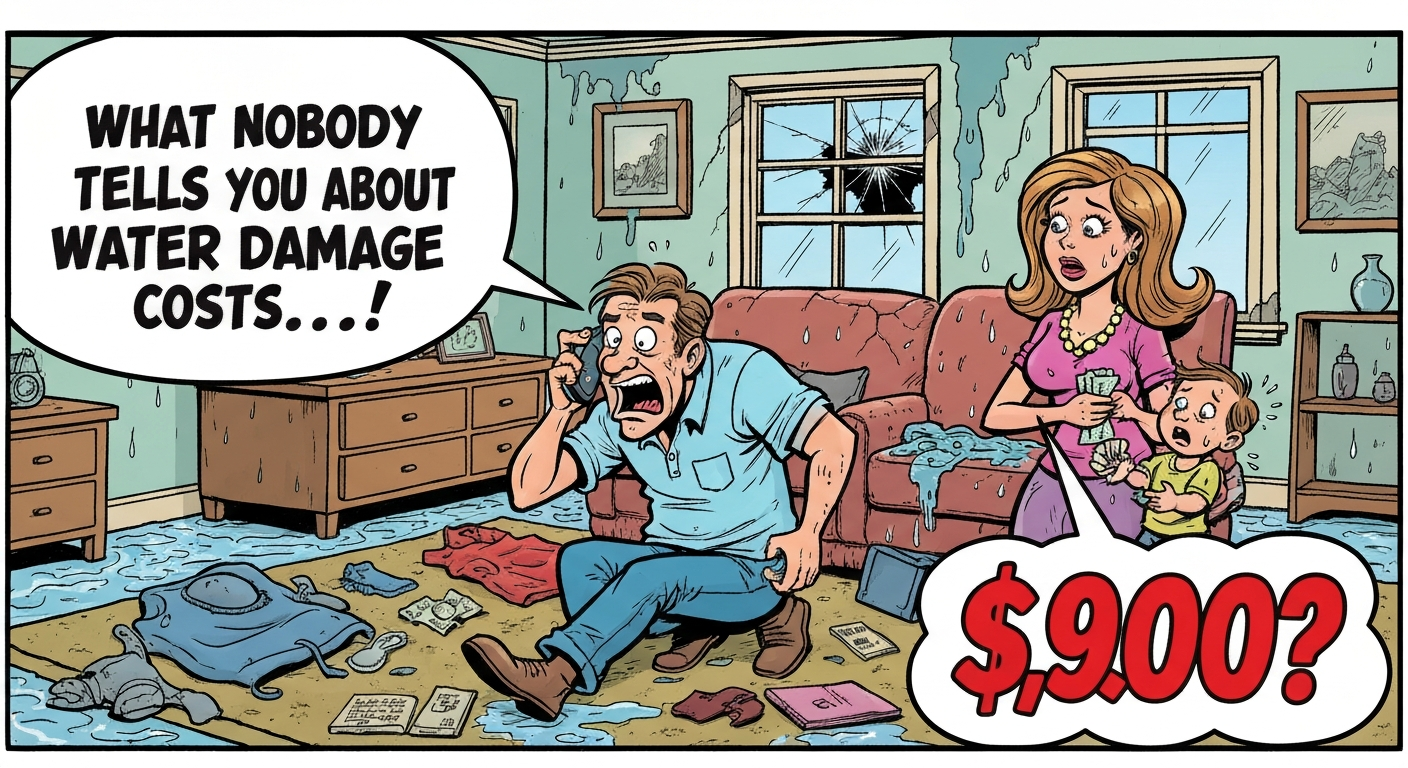
What Nobody Tells You About Water Damage Costs
When a leaky pipe or a heavy storm wreaks havoc on your home, the immediate concern is often stopping the water and assessing the damage. However, what many homeowners might not fully realize is the financial ripple effect that water damage can have. It’s not just about the initial cleanup or repair; there are hidden costs and long-term implications that often go unnoticed until they start draining your finances.
Water damage is a common issue, and yet, the details surrounding its true cost remain somewhat obscured. According to the Insurance Information Institute, water damage accounts for about 29% of all home insurance claims, with average claims exceeding $10,000. But the financial burden can extend far beyond this initial figure.
Immediate and Hidden Costs
When water intrudes into your home, the immediate costs are quite evident: hiring professionals to extract water, drying the affected areas, and repairing any visible damage. These costs can accumulate rapidly, especially if specialized equipment or labor is needed.
Once the obvious repairs are addressed, the hidden costs begin to surface. Mold growth can appear within 24 to 48 hours after water exposure, leading to potential health hazards and further increasing remediation costs. Moreover, water damage can compromise the structural integrity of your home, necessitating more extensive repairs over time.
Insurance Implications
While homeowners insurance typically covers sudden and accidental water damage, it often excludes damage resulting from neglect or lack of maintenance. This distinction is crucial. For instance, if your roof has been leaking for years and you never addressed it, any resulting damage might not be covered. Understanding the specifics of your policy can prevent unexpected out-of-pocket expenses.
Additionally, the claims process can be complex. Many homeowners find themselves wrestling with adjusters over the extent of the coverage. It’s essential to document everything meticulously and maintain open communication with your insurer to ensure fair compensation.
Long-term Financial Strain
Beyond the immediate and hidden expenses, water damage can have long-lasting financial implications. Resale value is a significant concern. Homes with a history of water damage may experience depreciation in value, making them harder to sell. Prospective buyers often view such properties as risky investments, and even if you manage to sell, you might have to accept a lower offer.
Furthermore, water damage can lead to increased insurance premiums. Once you’ve filed a claim, insurers might consider your property a higher risk, driving up your rates. It’s a frustrating cycle: water damage necessitates a claim, which then increases your financial liability over time.
Preventing Water Damage
While the costs associated with water damage can be daunting, prevention is key. Regular maintenance, such as inspecting roofs, cleaning gutters, and checking for leaks, can mitigate the risk. Installing water leak detectors and maintaining sump pumps can also provide early warnings and prevent minor issues from becoming major disasters.
In conclusion, understanding the full scope of water damage costs—both immediate and long-term—is essential for homeowners. By staying informed and proactive, you can protect your home and finances from the hidden burdens that water damage can impose. Consider reviewing your insurance policies and investing in preventive measures today. It may save you not only money but also peace of mind in the future.
Don’t wait until it’s too late—take action now to safeguard your home from the unseen costs of water damage.