
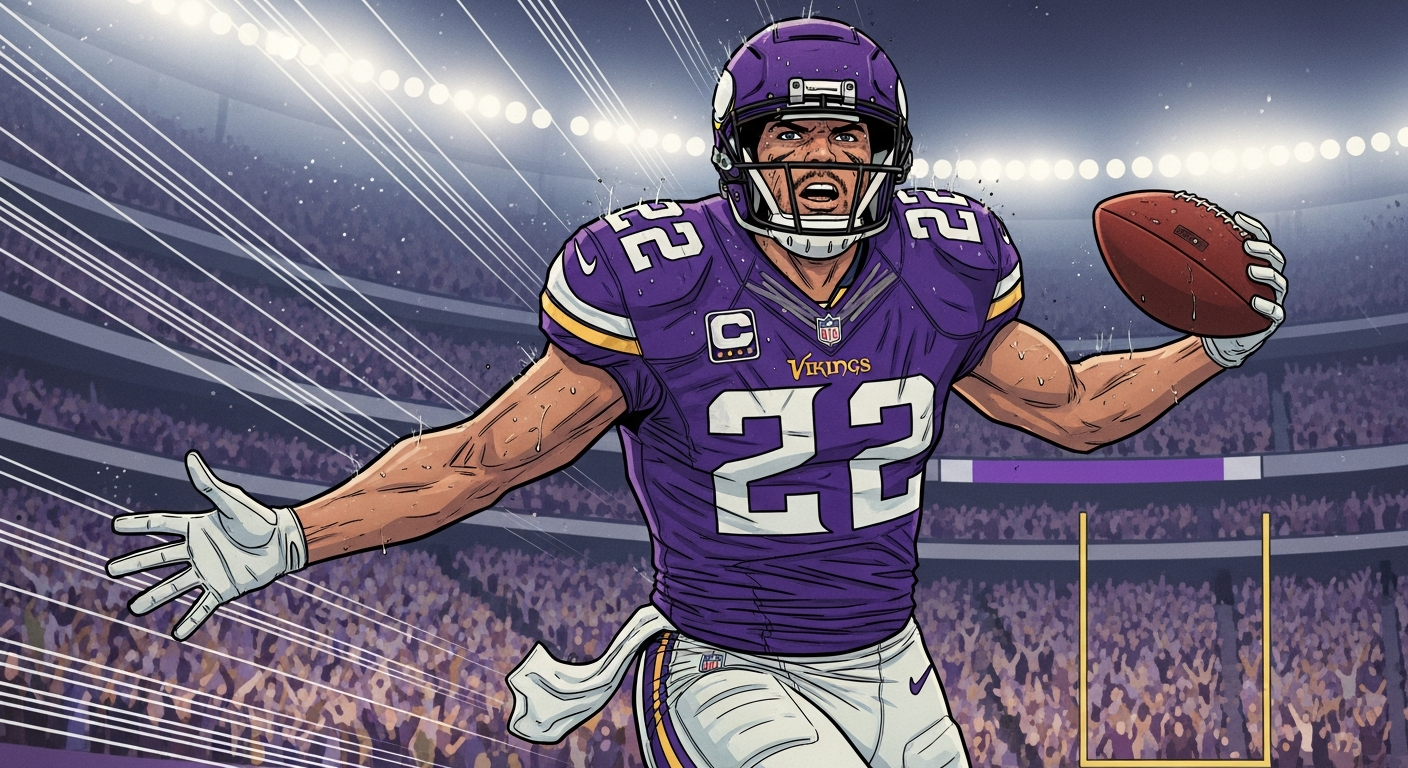
In a league obsessed with first-round picks and blue-chip prospects, Levi Drake Rodriguez’s emergence as a meaningful contributor for the Minnesota Vikings represents something far more significant than a feel-good story. His journey from Southwestern Assemblies of God University to blocking game-changing field goals in the NFL spotlights a fundamental truth about player development that many organizations consistently overlook: determination and growth mindset often matter more than pedigree.
Rodriguez’s path challenges the conventional wisdom that dominant NFL defensive linemen must come from powerhouse programs. The seventh-round pick (232nd overall) has already outperformed dozens of players selected before him, recording 36 tackles and 8.5 stuffs while playing 43% of defensive snaps in his second season.
Small-School Players Remain Systematically Undervalued
NFL front offices continue to underestimate prospects from smaller programs despite abundant evidence that talent exists everywhere. Rodriguez is the latest example of this market inefficiency. Coming from Texas A&M Commerce, scouts fixated on his supposed undersized frame (290 pounds) rather than his production and motor.
This bias persists across the league. Consider players like Cooper Kupp (Eastern Washington), Darius Leonard (South Carolina State), and Ali Marpet (Hobart College) – all small-school prospects who faced similar skepticism before becoming Pro Bowl-caliber talents. The common thread? Organizations willing to evaluate skill sets and character rather than just program pedigree.
Vikings GM Kwesi Adofo-Mensah deserves credit for identifying Rodriguez as a