In an era where headlines often highlight division and discord, the Twin Cities Toys for Tots campaign stands as a powerful testament to what Americans can accomplish when united by compassion. The remarkable last-minute rally that transformed empty bins into overflowing toy collections isn’t just a heartwarming holiday story—it represents a vital model of community resilience that deserves both celebration and deeper analysis.
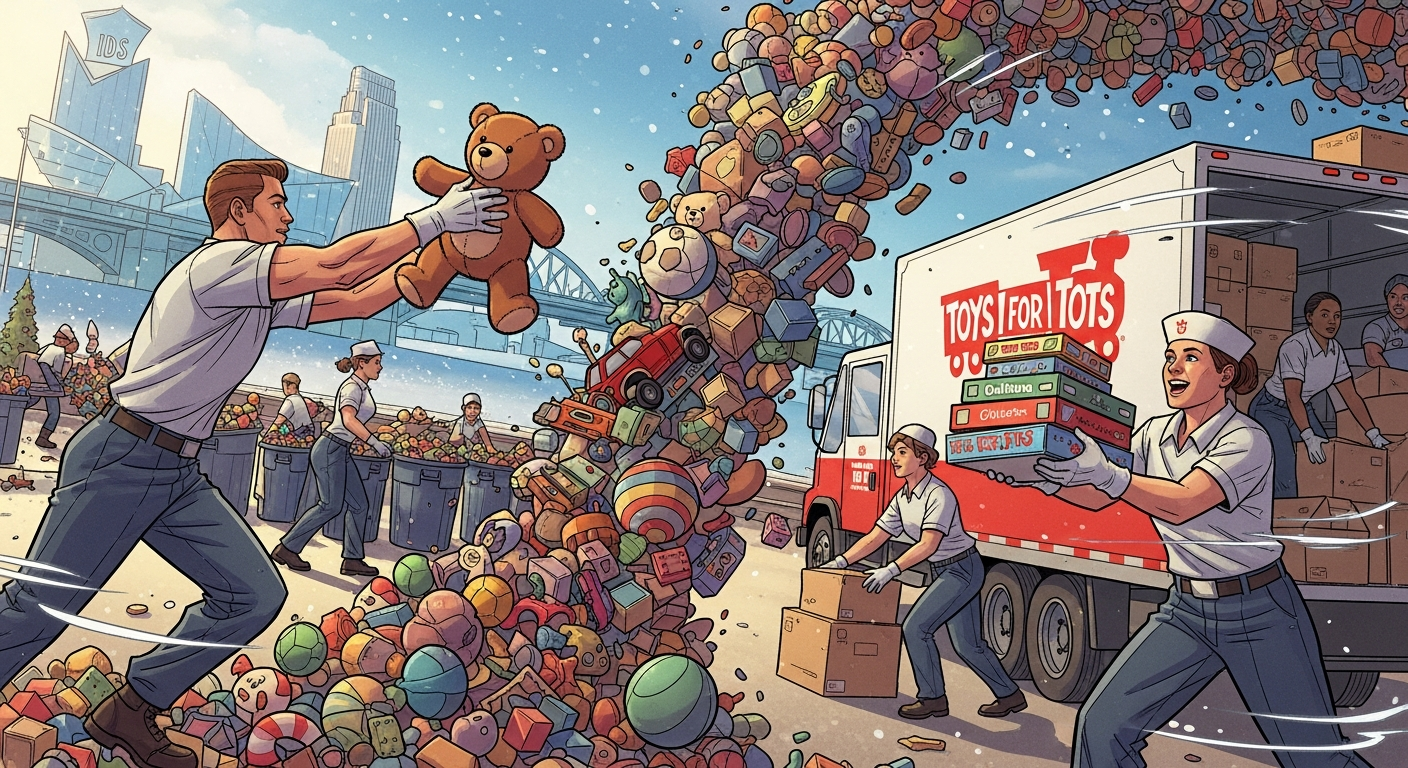
The Twin Cities Toys for Tots warehouse, described as resembling ‘Santa’s Workshop on Christmas Eve,’ reveals something profound about our social fabric that often goes unrecognized. While government programs struggle with bureaucracy and corporations calculate charitable giving based on tax benefits, grassroots volunteer efforts like this demonstrate extraordinary efficiency and genuine impact.
The Hidden Economic Impact of Toy Drives
The economic dimension of initiatives like Toys for Tots extends far beyond the immediate joy of children receiving gifts. These programs effectively redistribute resources within communities while simultaneously creating powerful economic multipliers. When families receive toys they couldn’t otherwise afford, they can redirect limited funds toward essential needs like housing, utilities, and food security.
Research from the Urban Institute suggests that families experiencing financial hardship often face impossible choices during the holiday season—either disappoint their children or sacrifice necessities. A 2019 study found that nearly 40% of low-income families went into debt during the holidays, with many skipping bill payments to provide gifts. By removing this financial pressure point, Toys for Tots creates economic breathing room for vulnerable households.
Consider the broader community impact: The Twin Cities campaign mobilized hundreds of volunteers, engaged corporate partners like Cargill, and created a massive logistics operation that rivals commercial enterprises. This volunteer-driven infrastructure operates with minimal overhead compared to traditional charities, ensuring that donations translate directly into community benefit.
The Psychological Power of Memory-Making
Victoria Lynch’s statement that