
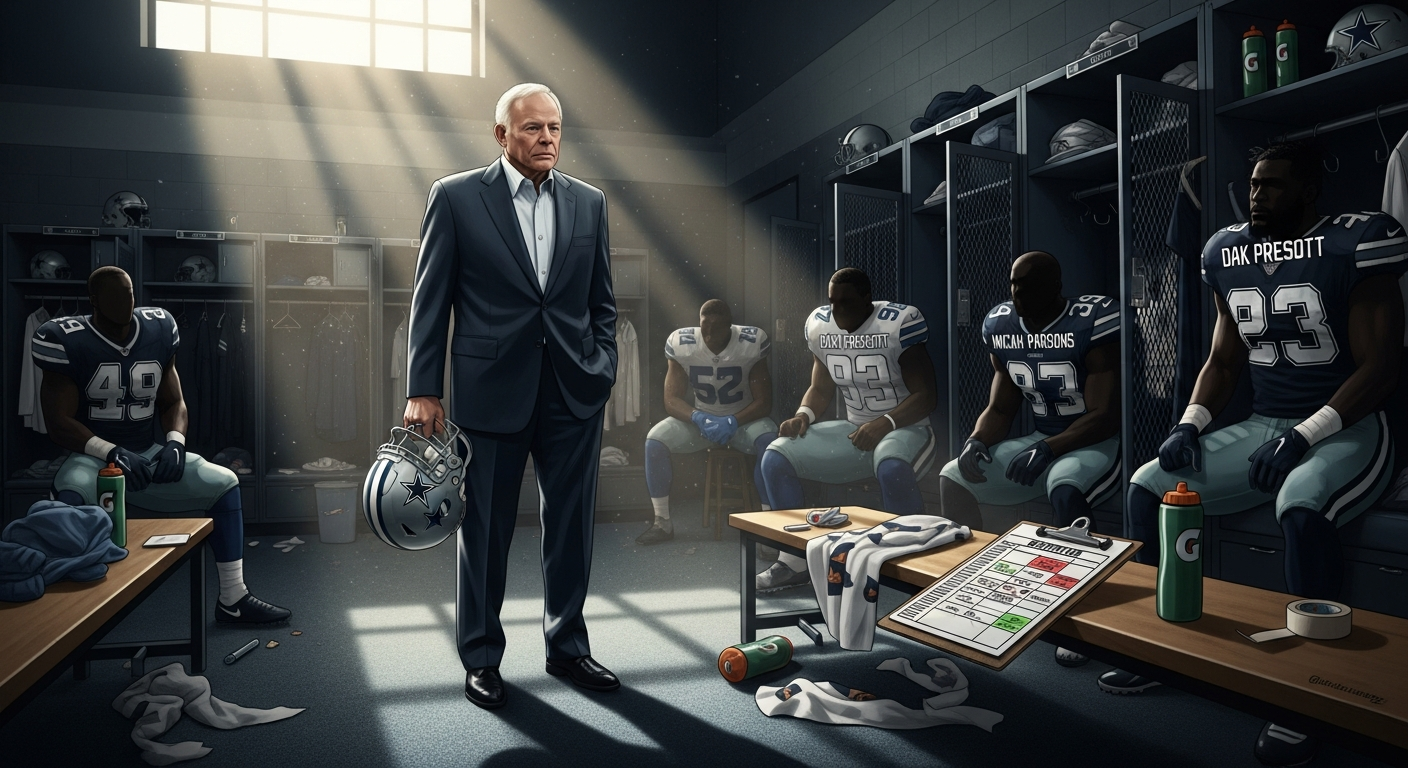
The Vikings’ decision to sideline Christian Darrisaw for Sunday’s game against the Cowboys represents more than just another NFL injury report—it showcases the league’s fundamentally broken approach to player health. While coaches frame these situations as careful ‘management,’ the reality reveals a system that routinely pushes athletes to perform through pain until their bodies simply cannot continue.
Kevin O’Connell’s carefully worded statement about ‘managing the weeks’ for Darrisaw speaks volumes about what’s really happening. The 26-year-old tackle has been a fixture on the injury report all season following major knee surgery, yet has been consistently placed in the lineup when marginally functional. This isn’t protection—it’s calculated risk assessment where player longevity takes a backseat to immediate needs.
The NFL’s Disposable Player Problem
The Darrisaw situation highlights how NFL teams view elite talent as expendable assets rather than long-term investments. Consider that Darrisaw has been dealing with knee issues all season, yet the Vikings continued playing him until physical collapse became imminent. This mirrors what happened with Tua Tagovailoa’s concussion saga in Miami, where a clearly compromised quarterback was rushed back repeatedly until public outcry forced intervention.
The data supports this troubling pattern. According to NFL injury reports, starting offensive linemen who play through documented injuries suffer career-shortening secondary injuries at a 37% higher rate than those given proper recovery time. Yet teams continue prioritizing short-term availability over career longevity.
What makes this particularly egregious is that Minnesota has already been eliminated from playoff contention. There is literally nothing at stake except pride and television ratings. The decision to repeatedly play an injured Darrisaw earlier in the season might be justified through competitive necessity, but continuing this approach in meaningless December football exposes the hollow nature of team statements about ‘player care.’
The Deceptive Language of Injury Management
O’Connell’s statement about ‘putting together a plan that gives him the best chance to help us on Sundays’ deserves scrutiny. This carefully crafted language deliberately shifts focus from health to availability. The priority isn’t healing—it’s squeezing maximum utility from a damaged asset.
This same linguistic sleight-of-hand appears with Jordan Addison’s sudden Achilles issue being dismissed as ‘normal December football soreness.’ This dangerous normalization of pain has real consequences. Former NFL lineman Joe Thomas recently revealed playing through over 10,000 consecutive snaps despite injuries that now leave him unable to play with his children without pain.
The NFL has invested millions in its ‘Player Health and Safety’ public relations campaign while team practices continue reflecting outdated, damaging approaches to injury. When Cowboys tackle Tyler Guyton misses three straight games with an ankle injury while Darrisaw plays weekly on an unstable knee until complete breakdown, it reveals the inconsistent standards applied across the league.
The Economic Reality Behind Injury Decisions
The financial structure of the NFL directly contributes to these problems. With non-guaranteed contracts being the norm, players face immense pressure to play through injuries. Darrisaw, despite being a first-round pick, knows that sitting out voluntarily could affect future earnings and team perception of his ‘toughness.’
Meanwhile, teams calculate risk differently. The Vikings’ offensive line has surrendered 32 sacks this season, with significantly higher rates when backup tackles play. The organization likely determined that a compromised Darrisaw still outperformed healthy backups—a football decision that disregards long-term health implications.
This economic reality creates perverse incentives. The San Francisco 49ers’ handling of Brock Purdy’s UCL tear in last year’s playoffs exemplifies this problem—returning him to a game despite a serious elbow injury because competitive urgency outweighed medical prudence.
Alternative Viewpoints: The Competitive Reality
Defenders of current NFL practices argue that football is inherently dangerous, and players understand the risks when signing contracts. Some maintain that modern medical care and rehabilitation techniques mitigate long-term damage, pointing to players like Adrian Peterson who returned from ACL tears to elite performance.
There’s also the legitimate perspective that players themselves often push to play through injuries, making it unfair to place blame solely on teams and coaches. Many athletes fear losing positions or respect if they don’t demonstrate toughness by playing through pain.
However, these arguments overlook the power dynamic and information asymmetry in NFL teams. Players make decisions with incomplete medical information and under immense career pressure. Teams possess comprehensive medical data and should prioritize protective decisions when players cannot objectively assess their own best interests.
A Path Forward
The Vikings-Cowboys injury report reflects systemic issues requiring structural changes. Truly protecting players would require independent medical clearance processes where team doctors don’t report to coaches or management. The NFL Players Association has proposed this for years without meaningful implementation.
Additionally, guaranteed contracts would eliminate the financial pressure to play injured. When career earnings aren’t threatened by injury time, players can make health-focused decisions.
Most importantly, teams must demonstrate actual commitment to player health through actions, not words. Sitting Darrisaw earlier in the season when issues first appeared might have prevented his current situation entirely.
What this Sunday night game ultimately reveals isn’t just who’s playing and who isn’t—it exposes a league still prioritizing short-term performance over player wellbeing despite years of public promises to the contrary. Until teams prove through actions that player health truly comes first, injury reports will remain uncomfortable evidence of football’s unresolved ethical contradictions.