
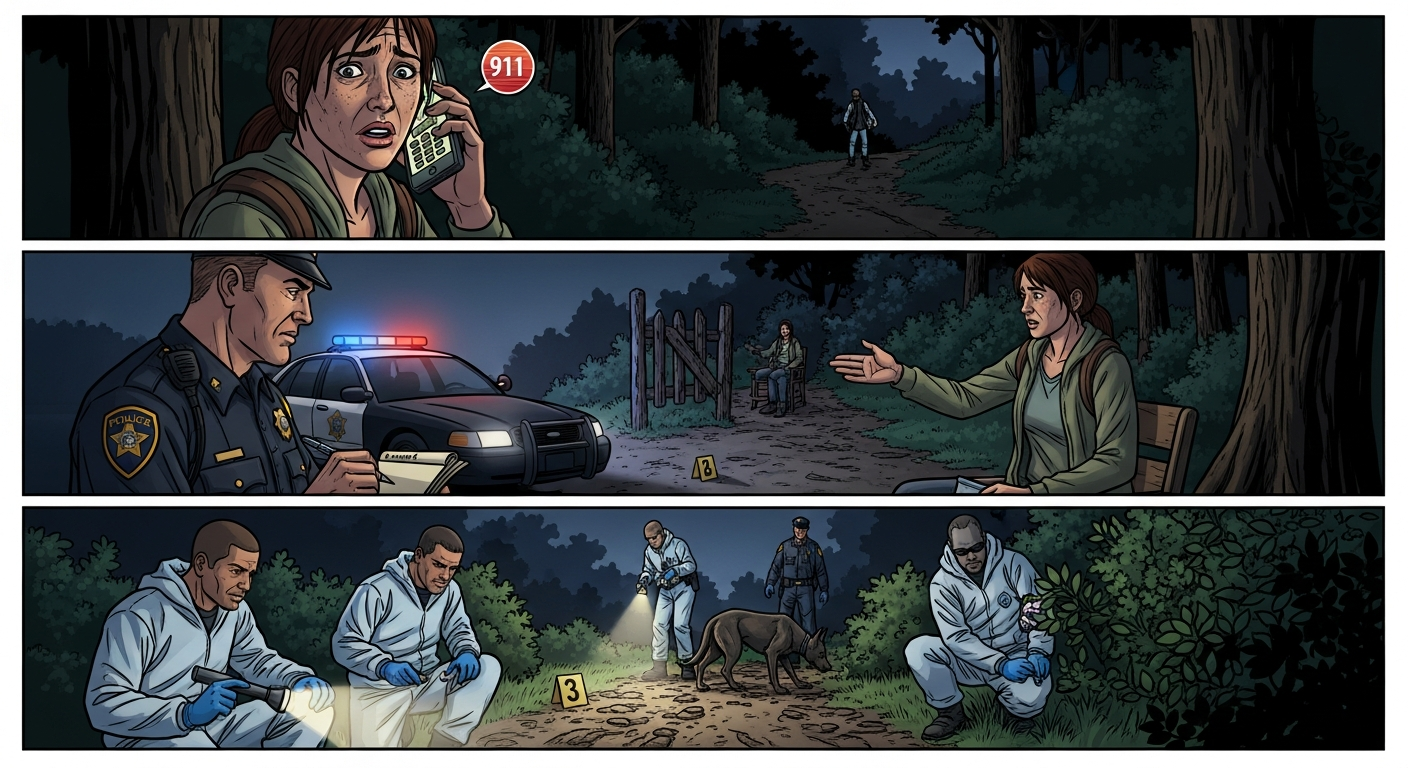
The recent assault on a woman at Crystal Lake West Park in Burnsville isn’t just another crime statistic—it represents a disturbing reminder of the vulnerability many people feel in public spaces that should be safe havens for community recreation and well-being. While the victim fortunately escaped serious harm through her quick thinking and resistance, this incident underscores a broader pattern of public safety concerns that demands more comprehensive solutions than simply increased police patrols.
What happened on that New Year’s Day morning reveals multiple systemic issues: the persistent threat of violence against women in public spaces, the limitations of reactive policing, and the critical need for community-based prevention strategies that address the root causes of such crimes.
The False Security of Public Spaces
Parks and trails represent essential community resources—places where people exercise, connect with nature, and escape the confines of urban living. Yet for many, particularly women, these spaces harbor invisible threats. The Burnsville incident follows a troubling pattern seen nationwide. According to the Bureau of Justice Statistics, approximately 19% of assaults against women occur in open public spaces like parks and sidewalks.
The timing of this assault—early morning when fewer witnesses are present—reflects the calculated nature of such crimes. The perpetrator’s approach (from behind) and immediate threat of a weapon demonstrate predatory behavior that wasn’t random but methodical. This mirrors findings from a 2021 study by the National Institute of Justice that showed 68% of attacks in public spaces involved some degree of planning or opportunity assessment by perpetrators.
The Crystal Lake West Park, spanning 54 acres, presents particular challenges for security monitoring due to its size and varied terrain. Large urban parks nationwide face similar issues—the vastness that makes them appealing for recreation also creates surveillance blind spots that potential assailants can exploit.
The Limitations of Reactive Policing
The Burnsville Police Department’s response—increasing patrols in nearby parks and neighborhoods—represents the standard tactical approach to such incidents. While necessary, this reactive strategy has proven insufficient in preventing similar crimes nationwide. A 2019 study from the Urban Institute found that while increased police presence temporarily reduces crime in targeted areas, it often simply displaces criminal activity to less-patrolled locations.
The reliance on home surveillance videos for evidence collection highlights another troubling reality: public safety increasingly depends on private security infrastructure. This creates inequitable protection levels between affluent neighborhoods with extensive surveillance networks and less-resourced communities where such technology is sparse.
Furthermore, the description of the suspect as a