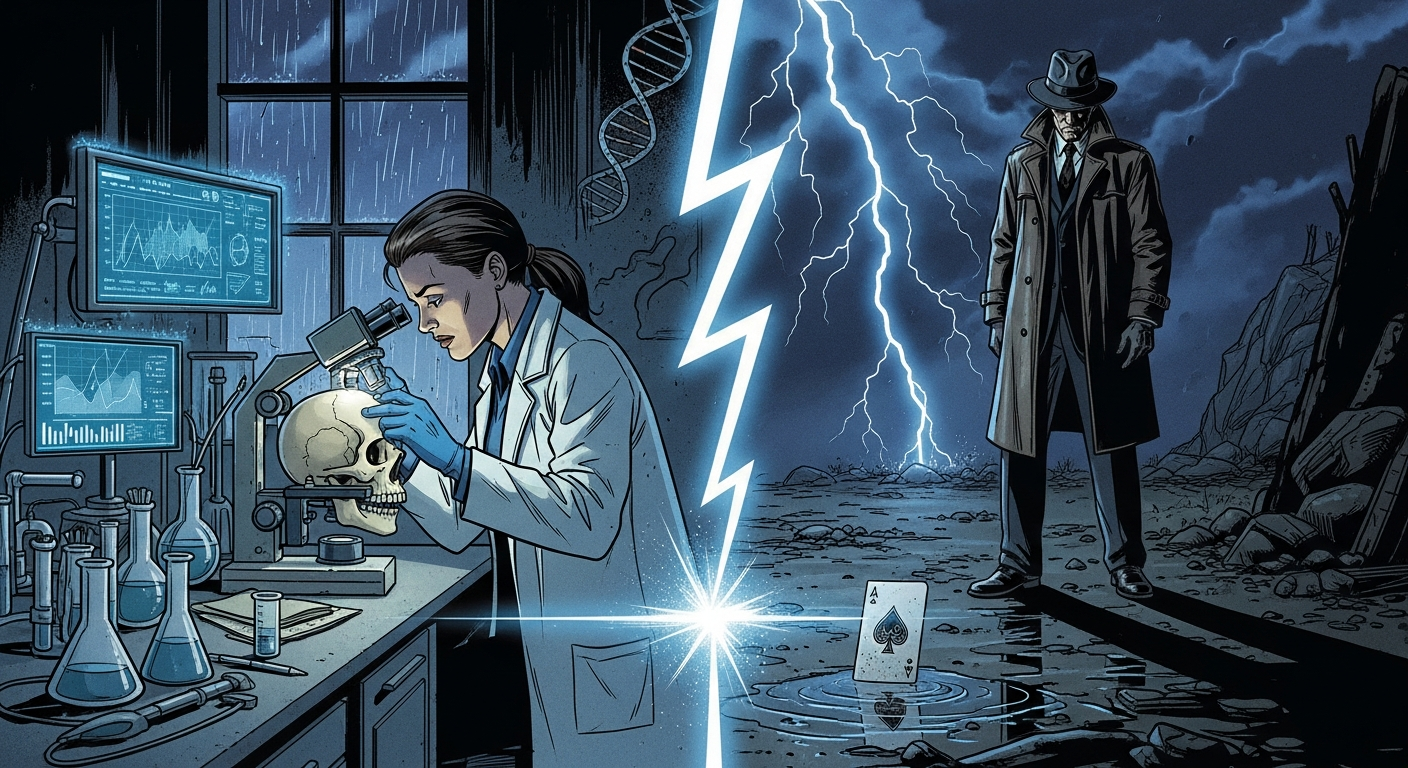
The disturbing case of Benjamin Hanson represents more than just an isolated criminal incident—it exposes fundamental vulnerabilities in how we handle human remains and trust funeral professionals during our most vulnerable moments. When a 92-year-old woman’s skull appears in a Wisconsin ravine instead of in the urn her family received, we must confront the profound failures in oversight that allowed such a violation to occur. This case demonstrates how the funeral industry operates with inadequate accountability, enabling bad actors to exploit grieving families who have little choice but to trust professionals during times of emotional distress.
The Betrayal of Sacred Trust
Funeral directors occupy a unique position of trust in society. They handle our loved ones when we cannot, promising dignity and care during life’s most painful transitions. The allegations against Hanson—hiding a corpse and stealing from his employer—represent the most egregious violation of this sacred trust. When families arrange cremations, they have no practical way to verify they’ve received their loved one’s actual remains. They must rely entirely on the funeral director’s integrity.
This vulnerability is not theoretical. In 2002, the Tri-State Crematory scandal in Georgia revealed hundreds of bodies abandoned on property while families received fake ashes. In 2018, Sunset Mesa Funeral Home in Colorado was discovered selling body parts while returning concrete mix to families instead of cremated remains. These cases demonstrate that the Hanson allegations, while shocking, fit a disturbing pattern of exploitation that the industry has failed to address adequately.
Regulatory Failures and Industry Opacity
The funeral industry operates under a patchwork of state regulations with minimal federal oversight. The FTC’s Funeral Rule provides some consumer protections regarding pricing transparency, but meaningful oversight of actual practices remains woefully inadequate. Most states lack resources for regular inspections of funeral homes and crematories, instead responding only after complaints emerge.
The Peterson case is particularly troubling because the alleged misconduct remained undiscovered for over two decades. Only through advanced DNA technology did investigators finally identify the skull found by Boy Scouts. This timeline raises serious questions: How many other instances of misconduct remain undiscovered? How many families are living with false assurances about their loved ones’ remains?
The National Funeral Directors Association claims to uphold professional standards, yet the industry has consistently resisted calls for stronger oversight, including random inspections and stricter chain-of-custody requirements for human remains. The fact that Peterson’s family had no way to discover this deception for 20 years demonstrates the fundamental power imbalance between funeral providers and consumers.
The Financial Exploitation of Grief
The criminal complaint against Hanson also alleges financial misconduct—using company credit cards for personal expenses like school supplies and home repairs. This financial exploitation parallels the exploitation of human remains, suggesting a pattern of treating both the deceased and their families as opportunities for personal gain rather than as vulnerable individuals deserving protection.
The funeral industry’s business model inherently capitalizes on grief and urgency. Families making funeral arrangements typically have days, not weeks, to make significant financial decisions while emotionally devastated. The average funeral costs over $7,000, and many families spend considerably more while in an emotionally vulnerable state. This creates perfect conditions for exploitation by unethical operators who recognize that grieving families rarely comparison shop or scrutinize services closely.
The Service Corporation International (SCI), which owns approximately 1,500 funeral homes nationwide, has faced multiple class-action lawsuits alleging deceptive practices, including systematically overcharging for services and mishandling remains. These corporate consolidations have transformed death care from a community service into a profit-maximizing industry where metrics like