
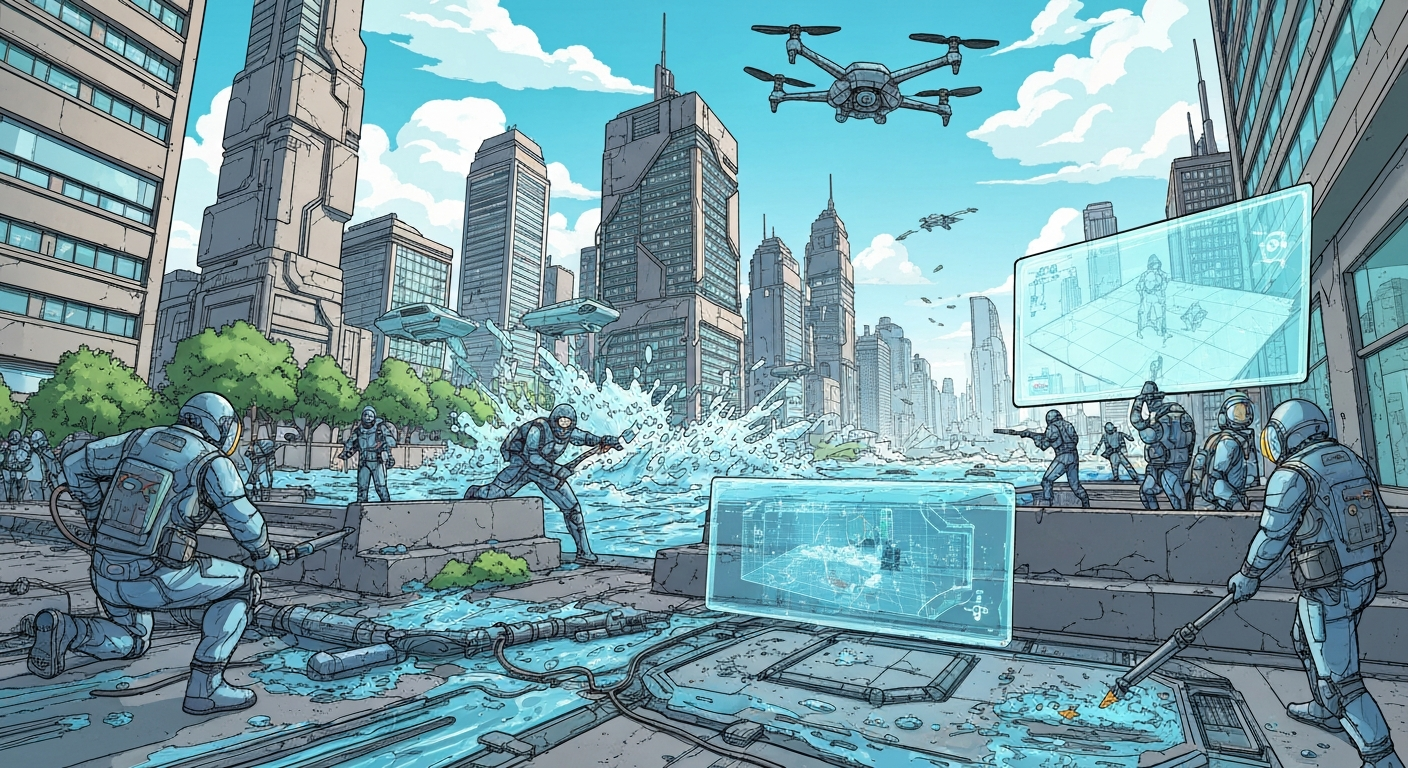
As the world becomes increasingly aware of the devastating impacts of natural disasters and climate change, the need for advanced water damage restoration technology has never been more apparent. Whether it’s the aftermath of a hurricane, a burst pipe, or a flash flood, water damage poses a significant threat to homes, businesses, and infrastructure. Fortunately, the future of water damage restoration is promising, with technology leading the way in innovative and efficient solutions.
One of the most exciting advancements in this field is the use of smart sensors. These devices can be installed in vulnerable areas of a building to detect moisture levels in real-time. By providing immediate alerts, property owners can take swift action to mitigate damage, potentially saving thousands of dollars in repairs. These sensors are becoming more sophisticated, with some models capable of sending data directly to a smartphone app, allowing for remote monitoring.
In addition to sensors, artificial intelligence (AI) is playing a transformative role in water damage restoration. AI-powered software can analyze patterns and predict areas most likely to suffer damage in the future. This predictive capability is invaluable for preventative maintenance and can significantly reduce the risk of severe water damage.
Moreover, the integration of drones into restoration efforts is gaining momentum. Equipped with high-resolution cameras and thermal imaging, drones can quickly survey large areas affected by floods or storms, providing detailed assessments of damage. This technology not only speeds up the inspection process but also ensures the safety of restoration workers by eliminating the need for them to enter potentially hazardous areas.
Another groundbreaking development is the use of dehumidification technology. Modern dehumidifiers are more energy-efficient and effective than ever, capable of removing moisture from the air at unprecedented rates. These devices are crucial in preventing mold growth and further structural damage, making them an essential tool in the restoration arsenal.
Perhaps the most futuristic aspect of water damage restoration is the exploration of biodegradable materials for repair and reconstruction. These materials can reduce the environmental impact of restoration by minimizing waste and using sustainable resources. As the industry moves towards greener practices, the adoption of such materials is likely to increase.
While these technologies offer hope for the future, their successful implementation requires collaboration between developers, restoration companies, and property owners. As we continue to face the challenges of a changing climate, staying informed and prepared is key. Embracing these advancements not only protects our investments but also our communities.
For those interested in staying ahead of the curve, now is the time to explore how these technologies can be integrated into your home or business. By doing so, you can ensure you’re not just reacting to water damage, but proactively preventing it. Reach out to a local restoration expert today to learn more about the tools and technologies available to safeguard your property.