
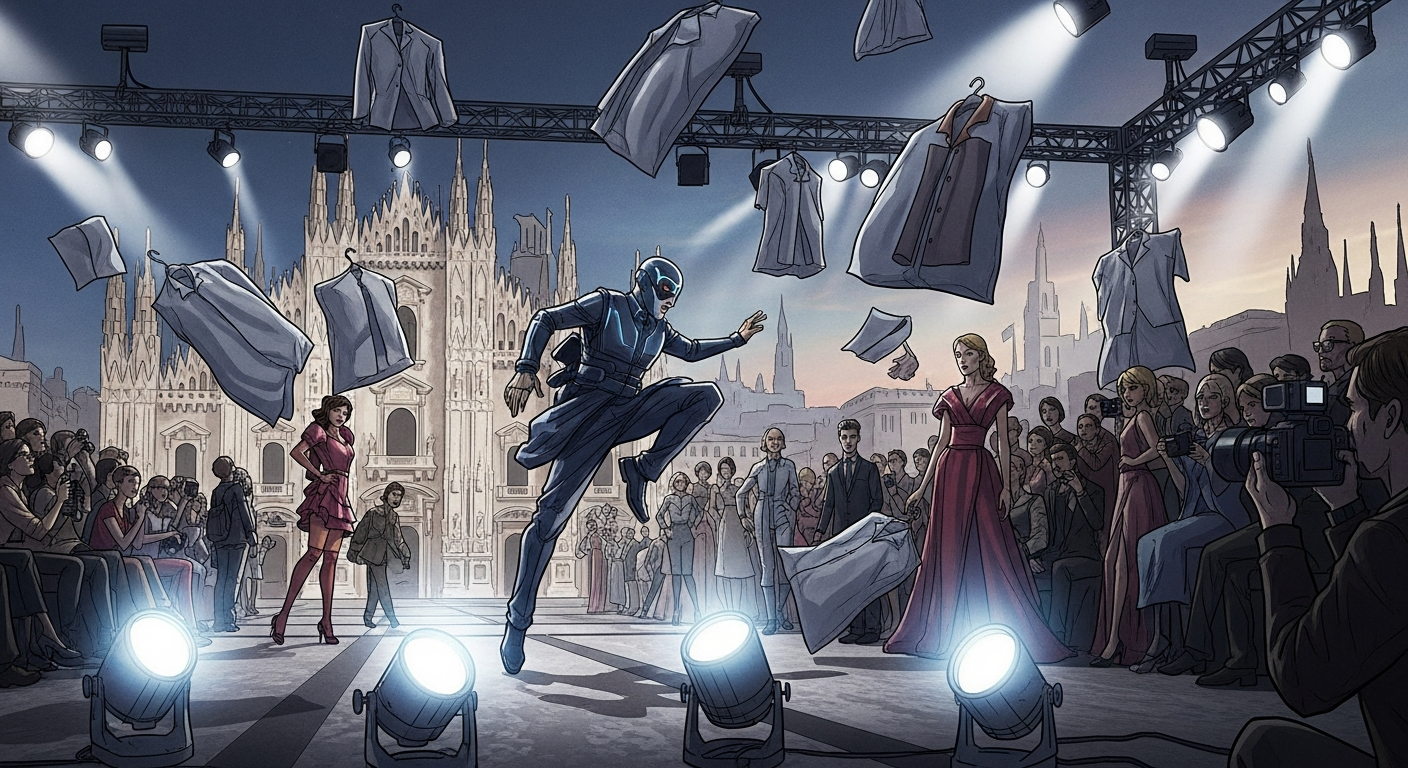
The recent feature on KARE 11 Saturday showcasing Hammer Made’s latest menswear collection for 2026 exemplifies the shallow consumerism that continues to plague our society. While presented as harmless fashion advice, this segment reinforces problematic patterns of unnecessary consumption, environmental waste, and the illusion that clothing purchases are essential to personal renewal.
Minnesota-based Hammer Made’s promise that men can “look sharp with zero effort” through premium fabrics and unique details reveals our culture’s persistent equation of new purchases with personal improvement. This mindset isn’t just financially draining—it’s environmentally catastrophic and psychologically manipulative.
The Environmental Cost Behind the ‘Fresh Look’
The fashion industry remains one of the most environmentally destructive sectors globally, responsible for approximately 10% of global carbon emissions and 20% of global wastewater. When retailers encourage seasonal wardrobe updates, they’re effectively promoting a system that discards perfectly functional items for arbitrary style changes.
Hammer Made’s business model, like most fashion retailers, depends on convincing consumers that their current wardrobes are somehow inadequate or outdated. This perpetual cycle of consumption creates massive textile waste. According to the EPA, Americans generate about 16 million tons of textile waste annually, with 85% ending up in landfills despite being largely recyclable.
Companies like Patagonia have demonstrated alternative approaches by encouraging repairs and resale of their products through their Worn Wear program, proving that fashion businesses can thrive without promoting constant replacement. Meanwhile, sustainable menswear brands like Outerknown and Asket focus on timeless designs and transparent supply chains, challenging the very premise that men need regular wardrobe refreshes to remain stylish.
The Psychology of ‘Updating’ Your Wardrobe
The language of “updating” and keeping things “fresh” in fashion marketing deserves critical examination. This terminology implies that clothing, like software, becomes obsolete and requires regular upgrades. This framing manipulates consumers into viewing perfectly functional garments as somehow deficient simply because they were purchased in a previous season.
Research from the Journal of Consumer Psychology shows that this marketing approach triggers what psychologists call “hedonic adaptation”—the tendency for humans to quickly return to baseline happiness after purchases. Retailers exploit this by suggesting that the next purchase will provide lasting satisfaction, creating an endless cycle of consumption and disappointment.
The real-world impact is significant. A 2023 survey by CreditKarma found that 40% of American men reported feeling pressure to update their wardrobes seasonally, with 28% admitting to making clothing purchases they couldn’t afford to maintain a certain image. This pattern of consumption doesn’t just strain budgets—it creates psychological distress when reality inevitably fails to match marketing promises.
Local Business Support Doesn’t Justify Consumption Culture
Defenders of features like KARE 11’s segment often argue that promoting local businesses like Hammer Made supports the Minnesota economy. While local business support is valuable, it doesn’t justify promoting unsustainable consumption patterns. The dichotomy between supporting local economies and environmental responsibility is false.
Minnesota has pioneering sustainable fashion initiatives that deserve media attention. Companies like Hackwith Design House in St. Paul create limited-run, made-to-order clothing that reduces waste, while Minneapolis-based Winsome Goods produces small-batch collections using deadstock fabrics. These businesses demonstrate that supporting local fashion doesn’t require embracing wasteful consumption.
Media outlets like KARE 11 could promote local businesses while emphasizing sustainability, quality over quantity, and responsible consumption. Instead, segments like this one reinforce the idea that regular wardrobe refreshes are normal and necessary, missing an opportunity to challenge harmful consumption patterns.
Alternative Viewpoints: Fashion as Self-Expression and Economic Driver
Fashion industry advocates argue that changing styles represent cultural evolution and personal expression, not mere consumerism. There’s validity to viewing fashion as a creative medium and form of self-expression. Additionally, the fashion industry employs millions globally and supports diverse economic ecosystems from designers to retail workers.
However, these benefits don’t require the current pace of consumption or waste. The fashion industry can thrive while producing fewer, better-quality garments designed to last. Companies like Hammer Made could pivot to emphasize durability, versatility, and timeless design rather than seasonal updates, maintaining their creative expression and economic contribution while reducing environmental impact.
The economic argument also fails to account for the externalized costs of fashion production and disposal. When we include environmental remediation, waste management, and the human costs of fast fashion production, the true price of constant wardrobe updates becomes prohibitively high.
Moving Beyond the Update Cycle
Rather than planning wardrobe updates for 2026, consumers would be better served by developing a more mindful relationship with clothing. This means investing in versatile, durable pieces that transcend seasonal trends, learning basic repair skills to extend garment life, and viewing style as a form of personal expression rather than conformity to constantly shifting trends.
Media outlets like KARE 11 have a responsibility to present more nuanced coverage of fashion that acknowledges environmental and psychological impacts. Features on clothing care, repair workshops, or sustainable styling would provide valuable content without promoting unnecessary consumption.
The next time a retailer suggests you need to update your wardrobe for an upcoming year, consider whether your current clothing has actually deteriorated in function or if you’re simply responding to artificially created desire. The most sustainable garment is almost always the one already in your closet.