
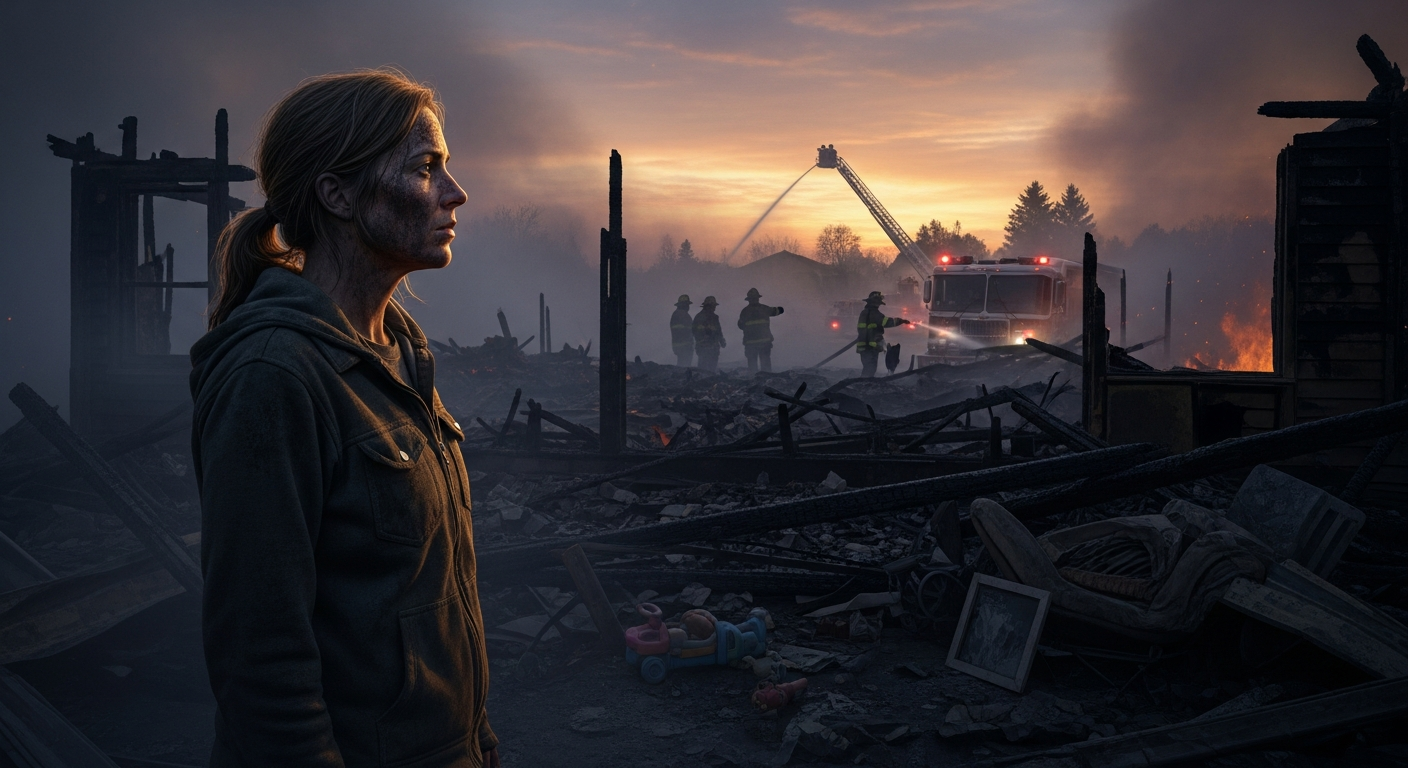
The recent fire at The Estates at Fridley nursing home, while fortunately contained to a single room with no reported injuries, exposes alarming vulnerabilities in our eldercare infrastructure that demand immediate attention. This incident represents far more than a local emergency—it highlights a national crisis in how we protect our most vulnerable citizens during emergencies. The successful evacuation of 120 residents amid frigid conditions demonstrates commendable emergency response, but masks deeper systemic issues that put elderly lives at risk daily across America.
Aging Infrastructure Creates Unnecessary Dangers
The American eldercare system operates within a dangerous paradox: the population requiring the most protection often resides in facilities with the highest safety risks. Many nursing homes across the country occupy aging buildings with outdated fire suppression systems, inadequate emergency exits, and insufficient staff-to-resident ratios during overnight hours—precisely when the Fridley incident occurred.
Consider the devastating 2003 Greenwood Health Center fire in Hartford, Connecticut, which claimed 16 lives. The facility lacked sprinklers in patient rooms despite housing residents with mobility limitations. Nearly two decades later, a 2021 investigation by the U.S. Department of Health and Human Services found that 17% of nursing homes nationwide still fail to meet federal fire safety requirements. The Estates at Fridley’s successful evacuation represents the exception, not the rule, in a system plagued by infrastructure neglect.
Staffing Shortages Amplify Emergency Risks
The timing of the Fridley fire—5:30 a.m.—highlights another critical vulnerability: overnight staffing levels. During night shifts, nursing homes typically operate with minimal personnel, creating dangerous response gaps during emergencies. According to a 2022 American Health Care Association report, 98% of nursing homes face staffing shortages, with overnight shifts experiencing the most severe deficiencies.
The National Fire Protection Association recommends specific staff-to-resident ratios based on facility size and resident mobility needs. However, these standards remain recommendations rather than requirements in many states. The heroic response in Fridley required additional engines from neighboring communities, suggesting the facility itself may have lacked adequate personnel for a comprehensive evacuation without external assistance.
Emergency Planning Must Account for Resident Vulnerability
The successful use of Metro Transit buses as temporary shelter for evacuated residents demonstrates proper coordination with local emergency services—a critical component too often missing in nursing home emergency plans. However, this incident occurred during winter in Minnesota, where temperatures regularly drop below freezing. Had the fire spread more extensively, requiring longer evacuation periods, the consequences could have been dire.
A 2018 Senate report following Hurricane Irma revealed that 12 Florida nursing home residents died from heat exposure after evacuation. Temperature extremes—both hot and cold—pose existential threats to elderly individuals with compromised thermoregulatory systems. While Fridley’s response worked, it exposes the precarious nature of emergency planning that doesn’t fully account for resident medical fragility.
Regulatory Enforcement Falls Dangerously Short
Current federal regulations require nursing homes to conduct quarterly fire drills and maintain comprehensive emergency plans. However, enforcement remains inconsistent. A 2021 Government Accountability Office report found that over 70% of nursing homes cited for emergency preparedness deficiencies between 2016-2020 received minimal or no penalties, creating little incentive for improvement.
The Paradise, California wildfire of 2018 demonstrated these regulatory failures tragically when elderly residents of multiple care facilities were abandoned during evacuation. Despite previous citations for inadequate emergency planning, these facilities faced no meaningful consequences until disaster struck. The Fridley incident’s positive outcome should not distract from this broader pattern of regulatory neglect.
Alternative Viewpoints: The Cost-Benefit Reality
Industry advocates correctly point out that nursing homes operate on razor-thin margins, with Medicaid reimbursements covering less than actual care costs in many states. Comprehensive infrastructure upgrades, increased staffing, and enhanced emergency systems represent significant financial investments that many facilities simply cannot afford without raising costs for residents.
This economic reality deserves acknowledgment. However, it represents a false choice between financial viability and resident safety. Countries like Denmark and Japan have demonstrated that properly funded eldercare systems can maintain both high safety standards and financial sustainability through appropriate public investment. The issue isn’t economic impossibility but political priority.
Moving Forward: From Reaction to Prevention
The successful emergency response in Fridley demonstrates what’s possible when systems work as designed. However, this outcome should catalyze proactive improvements rather than complacency. First, federal funding for nursing home infrastructure upgrades must increase, specifically targeting fire safety systems in older facilities. Second, minimum staffing requirements—particularly during overnight hours—must be enforced with meaningful penalties for non-compliance.
Third, emergency planning must evolve beyond basic evacuation procedures to address the unique medical vulnerabilities of elderly residents, including detailed protocols for temperature regulation, medication continuity, and cognitive impairment challenges during emergencies. Finally, regular multi-agency drills involving fire departments, emergency medical services, and transit authorities should become mandatory, not optional.
The Fridley nursing home fire ended without tragedy, but it serves as a warning. Our eldercare system remains dangerously unprepared for larger-scale emergencies. As our elderly population grows, the frequency of such incidents will inevitably increase. We can choose to address these vulnerabilities now through systematic improvement or wait until preventable tragedies force our hand. The residents of America’s nursing homes deserve better than protection by luck and last-minute heroics.