
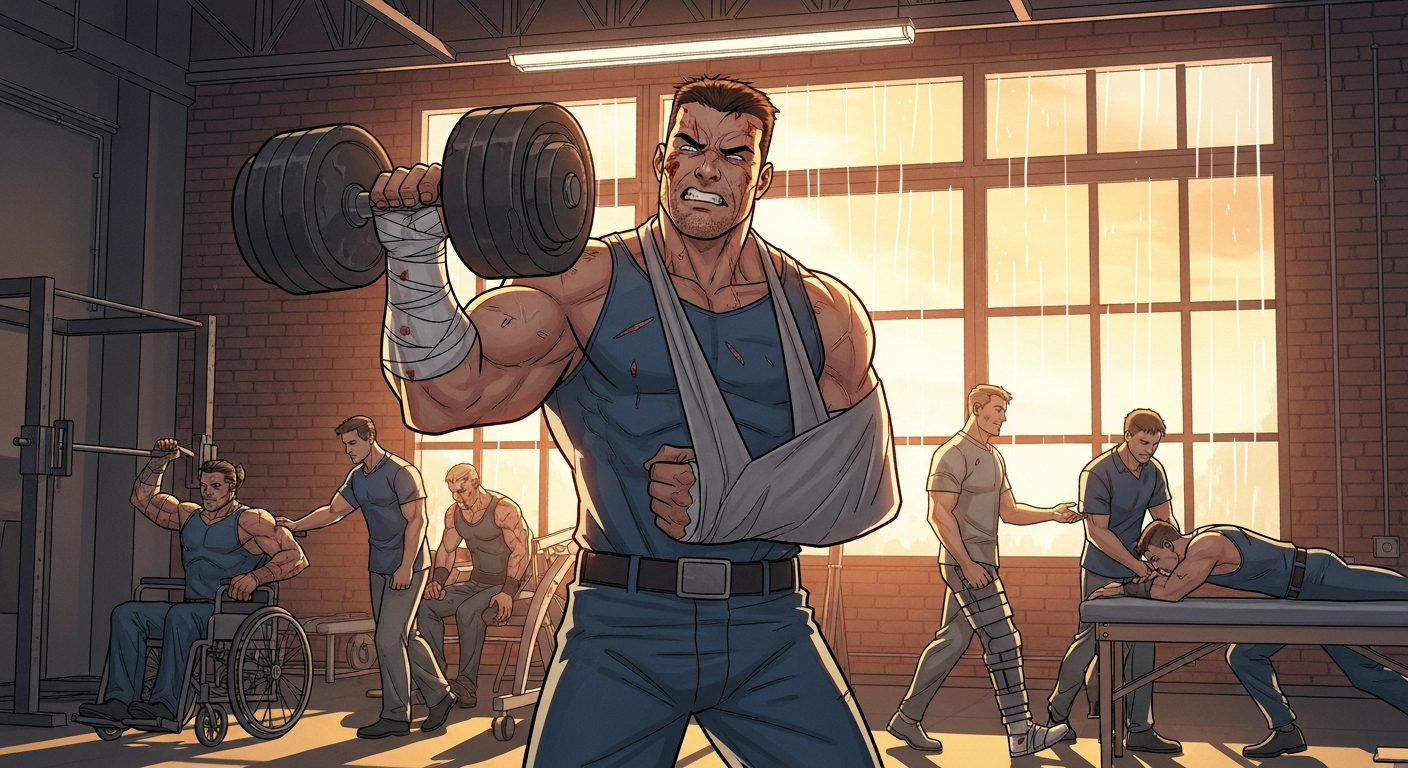
The recent assault on a security guard at M Health Fairview Lakes Medical Center in Wyoming highlights a growing crisis that receives far too little attention: the dangerous inadequacy of safety protocols in our healthcare facilities. This incident—where a 35-year-old patient on a medical hold escaped and seriously injured a security professional—isn’t merely an unfortunate anomaly but a symptom of systemic failures in how we approach healthcare security. The absence of charges as of the initial report further demonstrates our collective ambivalence about violence against healthcare workers, treating it as an unfortunate occupational hazard rather than a serious crime requiring accountability.
Healthcare Workers Face Epidemic Levels of Violence With Minimal Protection
The statistics paint a disturbing picture that most Americans remain unaware of. According to the Bureau of Labor Statistics, healthcare workers are four times more likely to experience workplace violence than workers in other industries. A 2022 National Nurses United survey found that 48% of hospital nurses reported an increase in workplace violence—nearly double from just two years earlier. Yet hospitals continue operating with security teams that are often understaffed, undertrained, and lacking clear protocols for handling volatile situations.
The Wyoming incident demonstrates this reality perfectly. A single security guard was seriously injured attempting to prevent a patient escape. Where were the backup systems? Why wasn’t there a team approach to managing a patient already deemed high-risk enough to be placed on a hold? The M Health Fairview statement, focusing on thoughts and prayers rather than concrete security failures, follows the standard corporate playbook of expressing sympathy while avoiding accountability for systemic shortcomings.
Mental Health Patients Deserve Better Than Emergency Departments
The incident reveals another critical failing: using emergency departments as de facto psychiatric holding facilities. Emergency departments are designed for rapid assessment and treatment of acute medical conditions—not for safely containing and treating patients experiencing psychiatric crises. The physical layout, staffing models, and training of personnel in most EDs make them profoundly unsuitable for mental health holds.
Consider the case of Massachusetts General Hospital, which in 2021 redesigned its emergency psychiatric assessment area after multiple security incidents. The redesign included separate, secure spaces with appropriate staffing ratios and specialized training. Patient violence decreased by 70% and staff injuries by 60% within one year. Similar redesigns at Emory University Hospital showed comparable results, demonstrating that proper facility design coupled with specialized training dramatically improves safety for everyone.
The Wyoming patient was clearly in crisis—serious enough to warrant a hold—yet was placed in an environment virtually guaranteed to escalate distress rather than alleviate it. This represents a failure not just of security but of our entire approach to psychiatric emergencies.
Legal Accountability Must Be Part of the Solution
The hesitation to press charges against patients who assault healthcare workers perpetuates a dangerous double standard. While patient mental state must be considered, the automatic assumption that psychiatric patients cannot be held accountable for violent behavior is both infantilizing and counterproductive. It sends a message that violence against healthcare workers is less serious than violence against other citizens.
New York State implemented a 2010 law specifically enhancing penalties for assaults against nurses and other healthcare workers. A five-year follow-up study showed a 25% reduction in reported incidents in facilities that actively publicized and enforced the law. Similar legislation in California has shown promising early results. Legal consequences, applied appropriately and with consideration of mental state, must be part of a comprehensive approach to healthcare violence prevention.
Hospitals Must Invest in Security as a Core Function
Healthcare facilities routinely invest millions in cutting-edge medical technology while treating security as an unfortunate cost center rather than an essential component of care delivery. The average hospital spends less than 2% of its operating budget on security, according to healthcare security consultant IHSS—woefully inadequate given the risks.
Cleveland Clinic, after experiencing several high-profile security incidents, implemented a comprehensive security overhaul including dedicated psychiatric response teams, enhanced camera systems, weapons detection technology, and intensive de-escalation training for all staff. The investment—approximately 4% of operating costs—resulted in a 40% reduction in violent incidents and a 65% reduction in staff injuries over three years.
The seriously injured security guard at M Health Fairview deserved better than to be the last line of defense in an inadequate security system. Every healthcare worker deserves protection commensurate with the risks they face daily.
Alternative Viewpoints: Balancing Security and Compassionate Care
Critics might argue that enhanced security measures risk criminalizing mental illness and creating prison-like environments that traumatize vulnerable patients. This concern has merit—patients in psychiatric crisis need therapeutic environments, not punitive ones. However, this represents a false dichotomy. The most effective psychiatric facilities demonstrate that robust security and compassionate care are complementary, not contradictory.
Others might point to cost constraints, particularly for smaller community hospitals. While budget limitations are real, they reflect priority decisions rather than absolute limitations. When hospitals face Medicare penalties for preventable readmissions, they quickly find resources to address the issue. If similar financial consequences existed for preventable security incidents, priorities would shift accordingly.
Some healthcare leaders maintain that violent incidents remain statistically rare. However, this perspective ignores the severe underreporting problem in healthcare violence. Studies consistently show that less than 30% of violent incidents are formally reported, creating a dangerous cycle where inadequate reporting leads to inadequate resources.
A Path Forward Requires Systemic Change
The Wyoming incident should serve as a catalyst for comprehensive reform in how healthcare facilities approach security. This requires action at multiple levels: hospital administrators must prioritize security funding and training; state legislatures must strengthen legal protections for healthcare workers; federal agencies must establish and enforce meaningful security standards; and insurance companies must create financial incentives for hospitals to implement effective violence prevention programs.
Most importantly, we must reject the dangerous notion that violence against healthcare workers is an inevitable part of the job. Every security incident represents a failure of systems, not just a failure of individuals. The seriously injured security guard in Wyoming deserves more than thoughts and prayers—they deserve systemic changes that ensure no other healthcare worker faces similar dangers.