
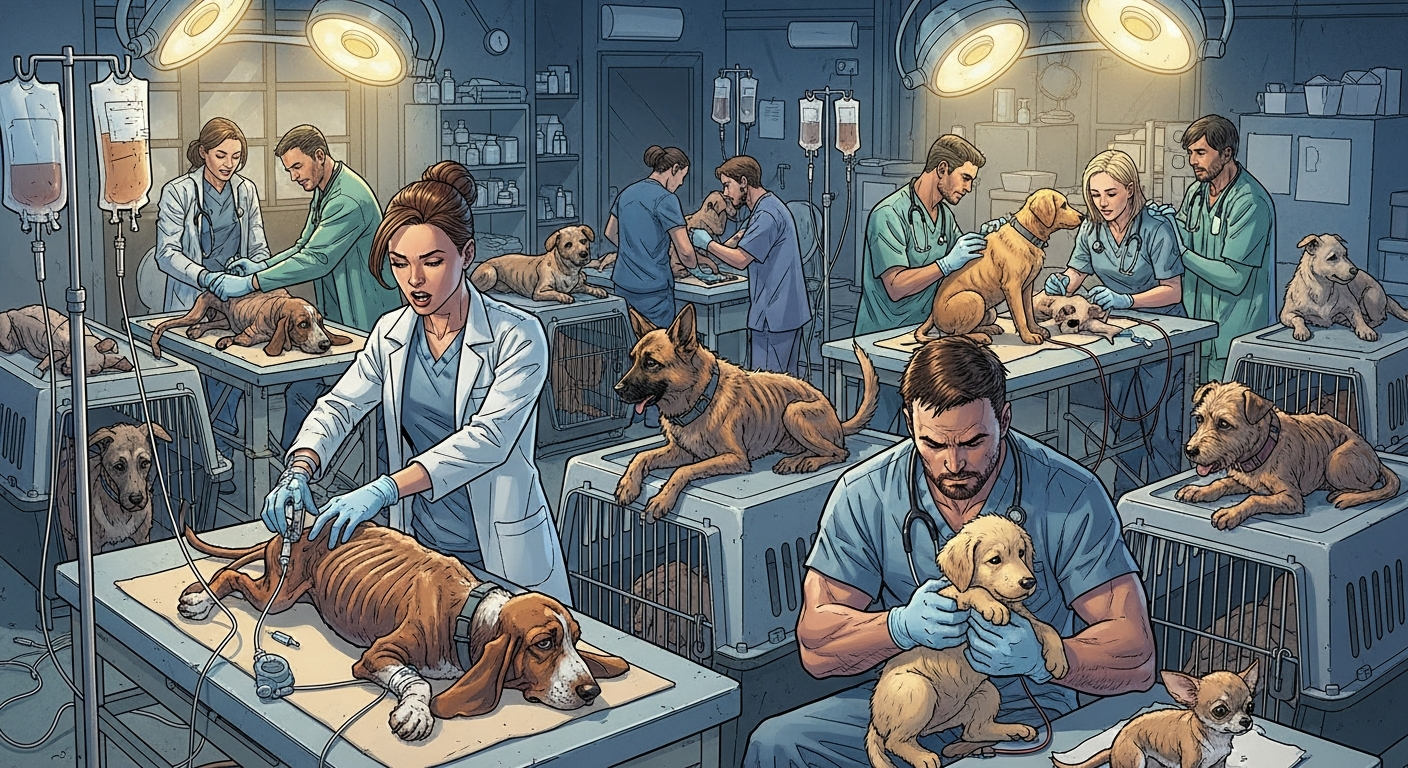
The recent rescue of 41 animals from deplorable conditions in Renville County isn’t just another sad story of animal neglect—it’s a glaring indicator of systemic failures in how we protect vulnerable animals in our communities. When the Animal Humane Society (AHS) discovered dozens of dogs, puppies, and unexpectedly, 15 birds living in environments contaminated with feces and urine, without proper food or water, it revealed not just one person’s failure but a collective breakdown in prevention, detection, and intervention.
Our Reactive Rather Than Preventative Approach Costs Lives
The AHS rescue operation demonstrates how our current system waits for conditions to deteriorate to crisis levels before action occurs. These animals didn’t arrive at these conditions overnight. The progression from adequate care to severe neglect happened gradually, with multiple missed opportunities for earlier intervention. The fact that rescuers didn’t even know birds were present at the property indicates a concerning lack of monitoring and documentation of animal ownership in rural communities.
Consider the case of the Hoarding Animal Law Project in Massachusetts, which found that early intervention in potential hoarding situations reduced the eventual number of animals needing rescue by 75% and decreased rehabilitation costs by over 60%. Yet most counties across America, including many in Minnesota, lack the resources for proactive welfare checks or follow-up visits to properties with multiple animals.
The AHS being “the only facility in the state equipped and staffed to take in that many animals at once” isn’t a badge of honor for the organization—it’s an indictment of our inadequate infrastructure for animal protection. Neighboring states like Wisconsin have developed regional emergency response networks specifically designed for large-scale animal rescues, creating a more distributed system that doesn’t place the entire burden on a single organization.
The Hidden Costs of Animal Neglect Cases
What’s often overlooked in these rescue stories is the astronomical cost—both financial and emotional—these cases create. Each animal now requires extensive veterinary care, behavioral rehabilitation, and individual attention to overcome the trauma they’ve experienced. The medical treatment for parasites, vaccinations, and sterilization surgeries alone can cost hundreds of dollars per animal.
The behavioral rehabilitation is even more resource-intensive. As Liv Hagen noted, many of these animals need to learn that “people can be trusted.” This isn’t a quick process. Research from the University of Pennsylvania School of Veterinary Medicine shows that dogs rescued from severe neglect situations take an average of 4-6 months of intensive behavioral work before they’re ready for adoption—time during which they occupy limited shelter space and require specialized staff attention.
The Maddie’s Fund, a national animal welfare foundation, estimates the true cost of rehabilitating a severely neglected animal can exceed $2,000—far more than the typical adoption fee will recoup. This creates an unsustainable financial model that relies heavily on donations and grants rather than systematic funding solutions.
The Regulatory Gaps That Enable Animal Suffering
This case highlights the patchwork of inconsistent laws and enforcement mechanisms across counties and municipalities. While Minnesota has animal cruelty statutes, the practical application of these laws varies dramatically based on location, available resources, and prioritization by local law enforcement.
Rural areas like Renville County often face particular challenges in animal welfare enforcement. With stretched law enforcement resources covering large geographic areas, animal welfare cases may not receive prompt attention until conditions become severe. The American Veterinary Medical Association has documented that rural counties have approximately 70% fewer animal control officers per capita than urban areas, creating enforcement deserts where problematic situations can fester.
The lack of mandatory registration and inspection systems for people keeping multiple animals creates a regulatory blind spot. In contrast, states like Pennsylvania have implemented tiered licensing systems where properties with more than a certain number of animals face additional oversight and inspection requirements—a model that could have prevented this situation from reaching such extremes.
Alternative Viewpoints: The Challenge of Limited Resources
Some argue that creating more robust monitoring and enforcement systems would require resources that many counties simply don’t have. There’s validity to this concern—rural counties often operate with constrained budgets and must prioritize human services. However, this perspective fails to recognize how preventative systems ultimately save resources. The National Animal Care & Control Association estimates that early intervention costs approximately one-third of what emergency large-scale rescues require.
Others might suggest that private property rights should limit government intervention in how people maintain their animals. While property rights are important, they’ve never been absolute, particularly when health and safety are at risk. Just as building codes prevent dangerous living conditions for humans, basic animal welfare standards represent a reasonable limitation that prevents suffering while respecting ownership rights.
Moving Beyond Rescue to Prevention
The heroic work of the Animal Humane Society deserves recognition, but we shouldn’t mistake emergency response excellence for a functioning system. True progress would mean fewer dramatic rescues because problems would be identified and addressed before reaching crisis levels.
This requires developing comprehensive solutions: community-based reporting systems, affordable spay/neuter programs to prevent unplanned breeding, mental health support for individuals showing early signs of animal hoarding, and education programs that help people understand proper animal care.
Colorado’s collaborative model between law enforcement, animal welfare organizations, and mental health services has reduced repeat animal hoarding cases by 65% by addressing the underlying causes rather than simply removing animals and pursuing punitive measures. This holistic approach recognizes that animal welfare is connected to human welfare.
The generous donor matching contributions to support these animals represents the best of community response, but philanthropy alone cannot substitute for systematic change. We need sustainable funding mechanisms, stronger laws, and better enforcement to truly protect vulnerable animals.
As these rescued animals gradually heal and find new homes, let’s remember that the true measure of our commitment to animal welfare isn’t how well we respond to crises—it’s how effectively we prevent them from happening in the first place.