
{
“title”: “Wildlife in Urban Areas: A Wake-Up Call for Better Coexistence Strategies”,
“content”: “
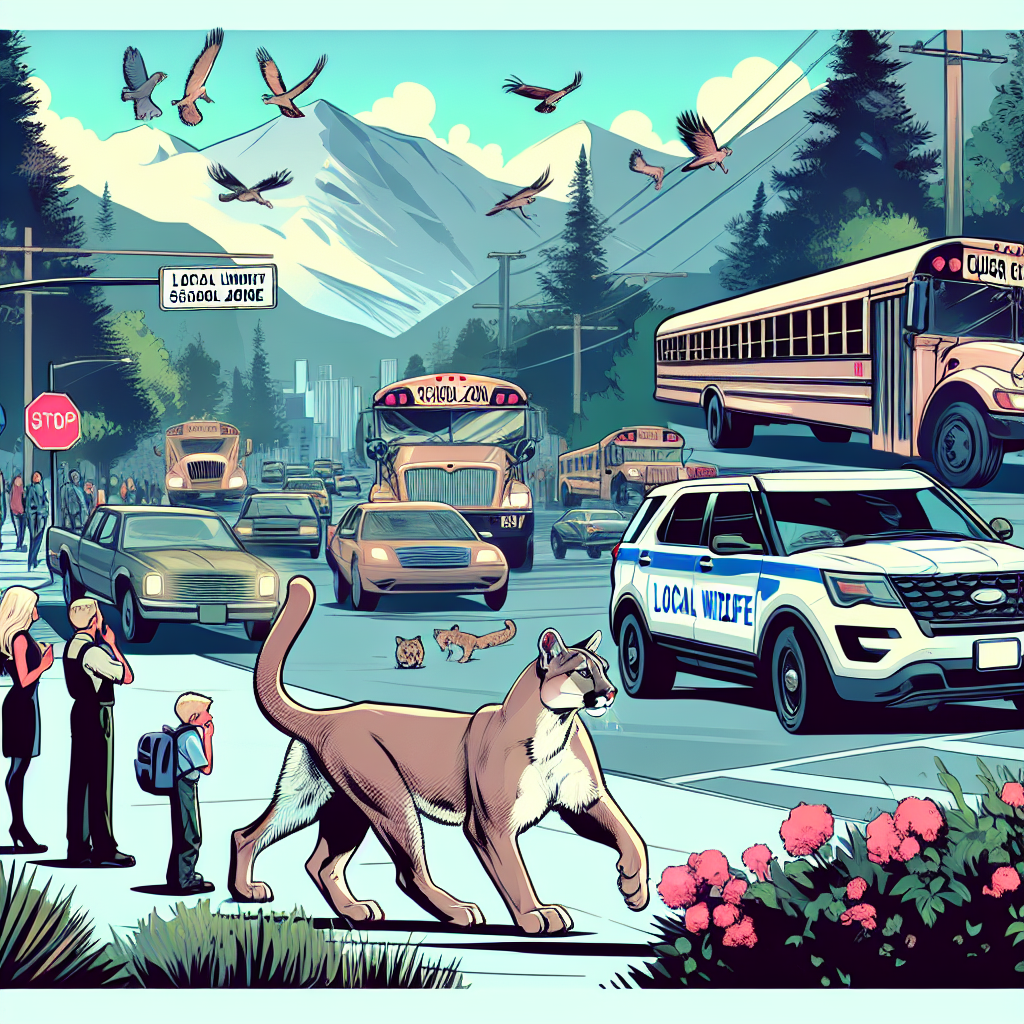
The recent mountain lion sighting near two Duluth schools represents more than just an unusual wildlife encounter—it highlights our growing need to develop comprehensive urban wildlife management protocols. While the school district’s swift implementation of ‘secure status protocol’ deserves commendation, this incident reveals significant gaps in how our communities prepare for and respond to wildlife entering urban spaces.
Urban Wildlife Encounters Are Becoming the New Normal
The appearance of a mountain lion in Duluth is not an isolated incident but part of a broader pattern of wildlife entering urban areas across North America. The DNR’s observation that this particular mountain lion has been traveling through multiple Minnesota communities since September confirms what wildlife experts have been warning about for years: human development is increasingly encroaching on natural habitats, creating inevitable contact zones between humans and wildlife.
Consider the data: mountain lion sightings in areas outside their traditional ranges have increased by approximately 25% in the last decade according to wildlife management studies. In Colorado, urban encounters with mountain lions increased 45% between 2010 and 2020 as suburban development expanded into foothill regions. These aren’t random occurrences but predictable outcomes of habitat fragmentation and climate change forcing wildlife to adapt their movement patterns.
Our Current Response Systems Are Largely Reactive, Not Proactive
The Duluth schools’ response—keeping children indoors and establishing communication with wildlife authorities—was appropriate for immediate safety. However, the incident exposes how reactive rather than proactive our systems remain. The mountain lion had already been tracked through multiple communities for three months before reaching Duluth. This raises critical questions: Why weren’t communities along its projected path proactively notified? Why isn’t there a standardized early warning system for tracking wildlife that could pose public safety concerns?
The city of Boulder, Colorado offers a contrasting approach. After experiencing similar wildlife incursions, they developed a Wildlife Protection Ordinance that includes public notification protocols, wildlife corridors in urban planning, and educational programs in schools about wildlife encounters. Their proactive approach has reduced negative human-wildlife interactions by 30% since implementation.
Technology Failures Highlight Infrastructure Weaknesses
Perhaps most concerning in this situation was the revelation that the mountain lion was wearing a tracking collar that had malfunctioned. This technological failure represents a broader infrastructure problem in wildlife management. Wildlife tracking systems remain underfunded, outdated, and poorly integrated across state lines. When a tagged animal crosses state boundaries, information sharing often becomes fragmented or delayed.
The fact that this mountain lion was originally tagged in Nebraska but wandered through Minnesota for months with a broken collar demonstrates the need for robust, interconnected monitoring systems. The California Department of Fish and Wildlife has implemented a statewide digital tracking network that connects with neighboring states, allowing real-time monitoring of tagged predators. This system has reduced response time to potential human-wildlife conflicts by 65% and could serve as a model for national implementation.
Educational Approaches Need Modernization
The parent interviewed in the article, Jay Hanson, mentioned having prepared his children for potential wildlife encounters. His comfort level suggests he’s educated his family about appropriate responses to wildlife. However, this type of preparation remains inconsistent across the general population. Many urban residents have limited knowledge about appropriate responses to wildlife encounters, creating unnecessary risk.
School curriculums rarely include practical wildlife safety education, despite increasing habitat overlap. Countries like Canada have integrated wildlife awareness programs into elementary education in regions with significant wildlife populations. These programs have demonstrably reduced panic responses and inappropriate behaviors during wildlife encounters.
Alternative Viewpoints: The Case for Minimal Intervention
Some wildlife management specialists argue that over-response to wildlife sightings can create unnecessary fear and potentially lead to harmful interventions for animals that pose little actual threat. They point out that mountain lion attacks on humans remain extremely rare—fewer than 20 fatal attacks have occurred in North America in the past 100 years.
This perspective has merit in that panic responses can sometimes create more problems than they solve. However, it fails to address the legitimate safety concerns in specific contexts like school environments where large numbers of children are present. The balanced approach isn’t ignoring wildlife presence but developing appropriate, measured responses based on context and specific risk factors.
Additionally, the “let nature be” approach doesn’t account for the reality that humans have already massively altered natural habitats and wildlife behavior patterns. Our responsibility now includes managing the consequences of these alterations.
The Path Forward: Integrated Wildlife Coexistence Plans
What this Duluth incident demonstrates most clearly is the need for integrated wildlife coexistence strategies that balance human safety with wildlife conservation. Communities need to move beyond ad-hoc responses to developing comprehensive plans that include:
- Early warning systems connected to regional wildlife tracking networks
- Standardized notification protocols for schools and public spaces
- Educational programs that prepare residents for appropriate responses
- Urban planning that incorporates wildlife corridors and reduces conflict zones
- Improved funding for wildlife monitoring technology
The mountain lion wandering through Duluth isn’t just a curious anomaly—it’s a messenger alerting us to the new reality of human-wildlife coexistence. Our response shouldn’t end when the animal leaves town. Instead, this should serve as a catalyst for developing more sophisticated approaches to managing the increasing overlap between human communities and wildlife habitats.
“,
“excerpt”: “The mountain lion sighting near Duluth schools reveals critical gaps in urban wildlife management. Our current reactive approaches must evolve into comprehensive coexistence strategies that include better tracking technology, standardized notification systems, and educational programs. This incident isn’t an anomaly but a preview of increasing human-wildlife interactions requiring systematic solutions.”,
“tags”: [“wildlife management”, “urban planning”, “public safety”, “environmental education”, “human-wildlife conflict”]
}