
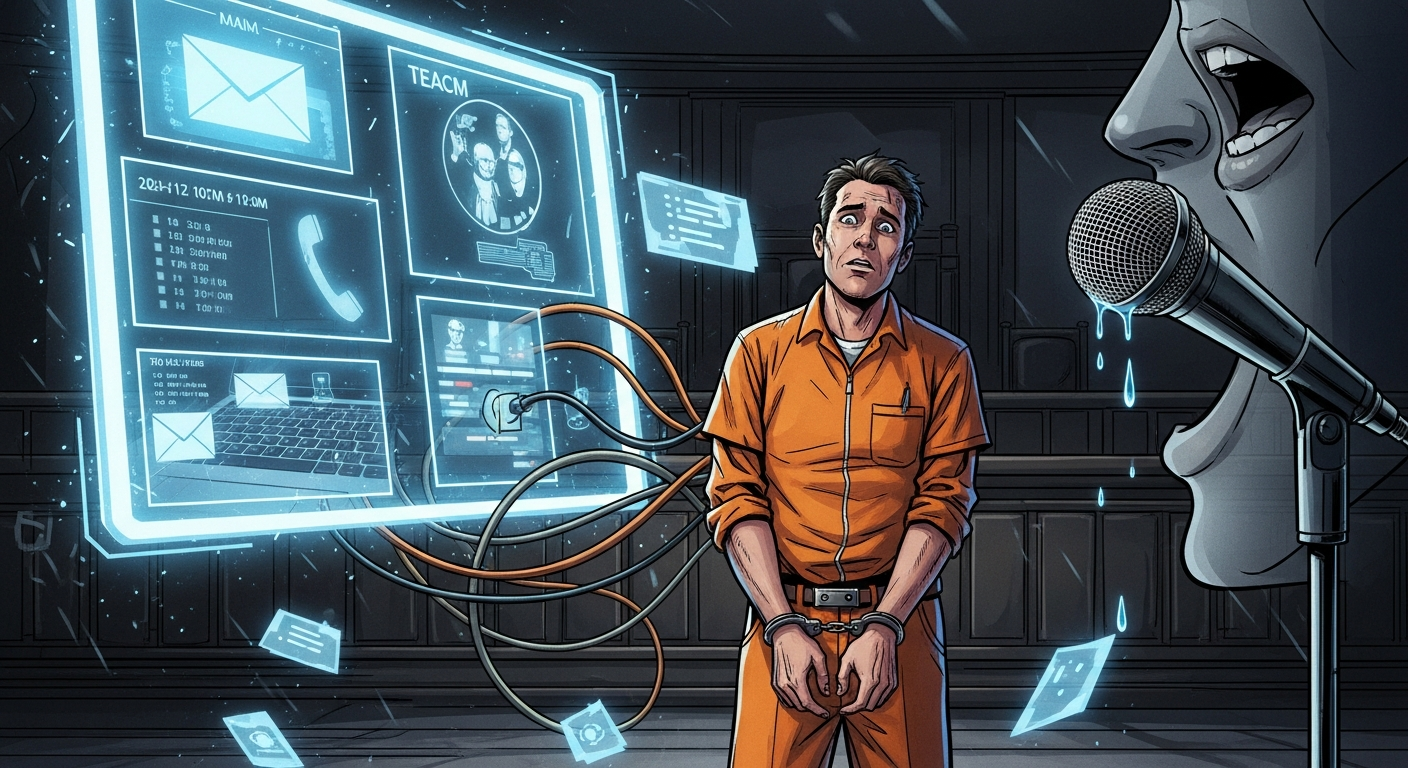
The Madison Bergmann case represents far more than just another disturbing headline about teacher misconduct. It exposes a systemic failure in how we protect children in educational settings and the inadequate safeguards that allow predatory behavior to develop and persist. A 24-year-old teacher engaging in inappropriate contact with a fifth-grader isn’t just a personal moral failing—it’s the result of multiple institutional breakdowns that demand immediate attention.
With 35,000 text messages exchanged and nearly 100 handwritten notes, this wasn’t a momentary lapse in judgment but a calculated grooming process that somehow continued undetected until it escalated to physical contact. The plea deal offering a maximum of 12 years—potentially resulting in much less actual time served—raises serious questions about how our justice system values the safety and psychological well-being of children.
The Devastating Impact of Educator Sexual Misconduct
When a teacher exploits their position of power to groom and abuse a student, the damage extends far beyond the immediate violation. Research from the American Psychological Association shows that children who experience sexual abuse from authority figures suffer profound long-term consequences, including increased rates of depression, PTSD, substance abuse, and difficulty forming healthy relationships. The breach of trust is particularly severe when the abuser is a teacher—someone explicitly tasked with nurturing and protecting children’s development.
The fifth-grade victim in this case faces years of potential psychological challenges during critical developmental stages. The power imbalance between a 24-year-old teacher and a 10-11 year old student is so extreme that meaningful consent is impossible, regardless of how the relationship was characterized. This child was manipulated by someone with institutional authority, professional training, and the trust of both the community and the child’s parents.
The Bergmann case mirrors the pattern seen in the 2004 Department of Education study that found nearly 10% of students experience some form of sexual misconduct by school employees during their K-12 education. These aren’t isolated incidents but evidence of a pervasive problem that continues to be inadequately addressed.
Institutional Failures and Missed Warning Signs
The extent of communication—35,000 text messages—raises alarming questions about supervision and monitoring in schools. How could such extensive inappropriate contact occur without raising red flags? Most school districts have policies prohibiting private electronic communication between teachers and individual students, yet these boundaries were clearly obliterated in this case.
In the Jerry Sandusky case at Penn State, investigations revealed that warning signs were observed but ignored or minimized by multiple adults in positions of authority. Similarly, the USA Gymnastics scandal with Larry Nassar showed how institutions can prioritize their reputation over victim safety. The Hudson School District must transparently examine whether there were missed opportunities to intervene before physical contact occurred.
Technology has created new avenues for inappropriate teacher-student relationships. The Texas Education Agency reported a 27% increase in inappropriate teacher-student relationship investigations following the rise of social media and texting. Schools must implement comprehensive digital communication policies with regular auditing and oversight mechanisms.
The Justice System’s Inadequate Response
The plea agreement in this case—reducing potential prison time from 18 to 12 years maximum—reflects a troubling pattern in how our justice system handles educator sexual misconduct. Studies show that female perpetrators of child sexual abuse typically receive lighter sentences than male counterparts for equivalent crimes, revealing a dangerous double standard in how we perceive harm to children.
In 2015, former teacher Mary Kay Letourneau’s case became notorious not just for her abuse of a 12-year-old student but for the media’s romanticization of what was clearly predatory behavior. This cultural tendency to view female-perpetrated abuse as somehow less harmful directly impacts sentencing decisions and undermines equal protection for all victims.
The justice system must prioritize victim protection over expedient case resolution. While plea deals are standard practice in our overburdened courts, cases involving child victims deserve heightened scrutiny. The 12-year maximum sentence—which could result in significantly less time served with good behavior—fails to reflect the severity of exploiting a position of trust to abuse a child.
Alternative Viewpoints: Rehabilitation and Mental Health Considerations
Some advocates argue that lengthy incarceration alone doesn’t address the underlying issues that lead to sexual misconduct and that rehabilitation should be the primary focus. Mental health professionals point out that some teacher-student relationship cases involve perpetrators with undiagnosed psychological conditions or boundary issues stemming from their own trauma histories.
While these perspectives have merit in shaping comprehensive approaches to prevention, they cannot excuse or minimize the harm caused. Rehabilitation efforts must occur alongside appropriate consequences that reflect the severity of the crime and prioritize victim protection. The fact that Bergmann may have her own mental health challenges doesn’t diminish her responsibility or the need for justice for her victim.
Others might argue that a 12-year sentence is already severe compared to many other crimes. However, this viewpoint fails to account for the unique position of trust teachers hold and the developmental vulnerability of elementary school students. The sentence must reflect not just the physical acts but the profound breach of professional ethics and exploitation of power.
Preventing Future Cases: Systemic Solutions
Preventing cases like Bergmann’s requires multi-layered interventions. The Darkness to Light organization, which focuses on child sexual abuse prevention, advocates for comprehensive background checks, clear boundary training, and explicit policies about electronic communication between staff and students. Schools must implement regular monitoring systems and create cultures where concerning behaviors are reported without fear of retaliation.
The Australian Royal Commission into Institutional Responses to Child Sexual Abuse found that institutions with transparent reporting mechanisms and regular independent oversight had significantly lower rates of abuse. American schools should adopt similar frameworks, including anonymous reporting systems and regular external audits of teacher-student interactions.
Teacher preparation programs must include extensive training on professional boundaries and the ethics of the teacher-student relationship. The American Association of University Women found that many educators receive inadequate preparation for navigating the complex power dynamics inherent in educational settings. This training gap must be addressed at both the pre-service and in-service levels.
Parents and communities must also remain vigilant. The case indicates the abuse was discovered when text messages were found—highlighting the importance of appropriate parental monitoring of children’s communications while respecting their growing independence.
Moving Forward: Justice and Prevention
As Madison Bergmann faces sentencing, the focus must remain on justice for the victim while using this case to strengthen protective systems. The school district must conduct a thorough review of how this relationship developed without intervention and implement concrete changes to prevent future cases.
The victim deserves comprehensive support services, including specialized trauma counseling and educational accommodations. Too often, child victims of educator abuse face disruption to their education and peer relationships while the systems that failed them avoid meaningful accountability.
This case should serve as a catalyst for all educational institutions to evaluate their child protection policies, reporting mechanisms, and staff training. The safety of students cannot be compromised by institutional convenience or discomfort with addressing difficult topics. Every child deserves an educational environment free from exploitation and abuse.