
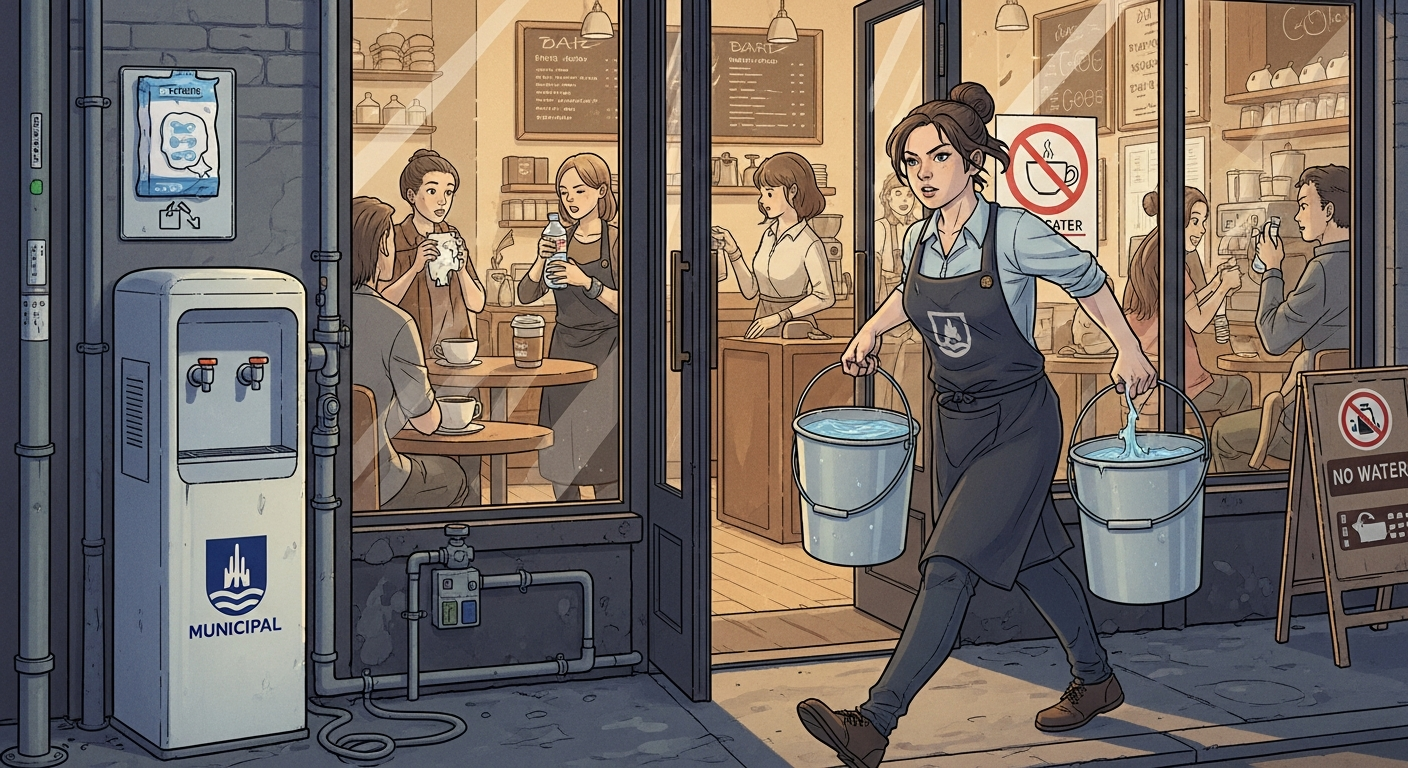
The recent water main break in Northeast Minneapolis that left hundreds without water and forced businesses to close isn’t just an inconvenient plumbing issue—it’s a glaring symptom of America’s infrastructure crisis that continues to be ignored until disaster strikes. While city officials reassure residents with statements about their ‘active investment in water system improvements,’ the reality is that our aging infrastructure continues to deteriorate faster than we’re repairing it.
Minneapolis may experience water main failures ‘at a rate well below average for a water system of our size,’ but this self-congratulatory benchmark misses the point entirely. The bar for infrastructure maintenance in America has been set dangerously low for decades, and comparing failure rates to other struggling systems doesn’t address the fundamental problem.
America’s Infrastructure Time Bomb
The American Society of Civil Engineers consistently grades U.S. infrastructure at a D+ level, with drinking water systems among the most vulnerable. This isn’t merely an academic assessment—it has real consequences for communities. The Minneapolis incident forced apartment dwellers to go without basic necessities and businesses to lose critical weekend revenue during a holiday season already challenged by economic pressures.
According to the EPA, there are approximately 240,000 water main breaks per year in the United States, wasting over two trillion gallons of treated drinking water. The economic impact extends far beyond the immediate repair costs. When businesses close, they lose revenue, employees lose wages, and the local economy suffers. The Rafter Apartments residents faced not just inconvenience but genuine hardship—imagine elderly residents or families with young children unable to access water for cooking, cleaning, or basic hygiene.
Reactive vs. Proactive Infrastructure Management
The city spokesperson’s statement that ‘most people only think about water infrastructure when something goes wrong’ inadvertently highlights the problem. This reactive approach to infrastructure management guarantees continued failures. In 2021, Flint, Michigan finally completed its lead pipe replacement program after a crisis that began in 2014. Jackson, Mississippi residents went without clean water for weeks in 2022. These aren’t isolated incidents but predictable outcomes of systematic neglect.
The Minneapolis crews deserve credit for their rapid response, but emergency repairs cost 3-5 times more than planned maintenance. The city now faces not just pipe repairs but ‘excavating large sections of the street’ with sidewalk repairs extending ‘into early next week.’ This multiplies costs and extends disruption far beyond what preventive maintenance would require.
The Infrastructure Investment Gap
The 2021 Infrastructure Investment and Jobs Act allocated $55 billion for water infrastructure—a significant sum that still falls dramatically short of the American Water Works Association’s estimated $1 trillion needed over the next 25 years just to maintain current water systems. Minneapolis, like most American cities, is operating water systems built 50-100 years ago that have far exceeded their intended lifespan.
The water main break on Hennepin Avenue isn’t just about one failed pipe—it’s about a system designed and built for a different era now struggling to meet modern demands. When Cydney Walker observed the broken fire hydrant and flooding at 4:30 AM, she witnessed the physical manifestation of decades of deferred maintenance and underinvestment.
The True Cost of Infrastructure Failure
The economic impact of infrastructure failures extends far beyond repair costs. Business closures along Hennepin Avenue represent lost revenue that won’t be recovered. Employees scheduled to work those shifts lose income. The city loses tax revenue. Property values in areas with unreliable infrastructure gradually decline. One study from the American Water Works Association found that water main breaks cost local economies an average of $1.5 million per incident when accounting for all these factors.
The social costs are equally significant. Residents without water experience stress, health concerns, and disruption to daily life. The psychological impact of infrastructure unreliability erodes public trust in government services and community resilience. These costs never appear on municipal balance sheets but represent real damage to community wellbeing.
Alternative Viewpoints: Budget Constraints and Priorities
Some argue that cities face impossible budgetary constraints and must make difficult choices between competing priorities. This perspective has merit—municipalities do operate under genuine fiscal limitations. However, infrastructure maintenance isn’t optional spending; it’s essential investment that prevents far more costly emergency repairs and economic disruption.
Others suggest that water infrastructure failures remain rare enough that aggressive investment isn’t justified. This view dangerously underestimates both the frequency of failures nationwide and their cascading consequences. The American Water Works Association documents over 700 water main breaks daily across the country—hardly rare occurrences.
A Path Forward: From Crisis Response to Strategic Investment
Minneapolis and cities nationwide need to shift from crisis management to strategic infrastructure renewal. This requires three fundamental changes: First, transparent assessment and communication about infrastructure conditions and risks. Second, dedicated funding mechanisms that protect infrastructure investment from political budget cycles. Third, modern asset management systems that prioritize preventive maintenance based on data, not emergency response.
Cities like Cincinnati have implemented proactive water main replacement programs that systematically replace aging pipes before they fail, resulting in a 40% reduction in water main breaks. Philadelphia’s infrastructure monitoring system uses acoustic sensors to detect potential failures before they occur. These approaches demonstrate that better outcomes are possible with strategic planning and investment.
The Minneapolis water main break should serve as yet another warning that our approach to infrastructure is fundamentally flawed. Until we treat water systems as essential public assets worthy of consistent investment rather than background utilities we notice only in failure, we’ll continue experiencing these disruptive and costly emergencies.