
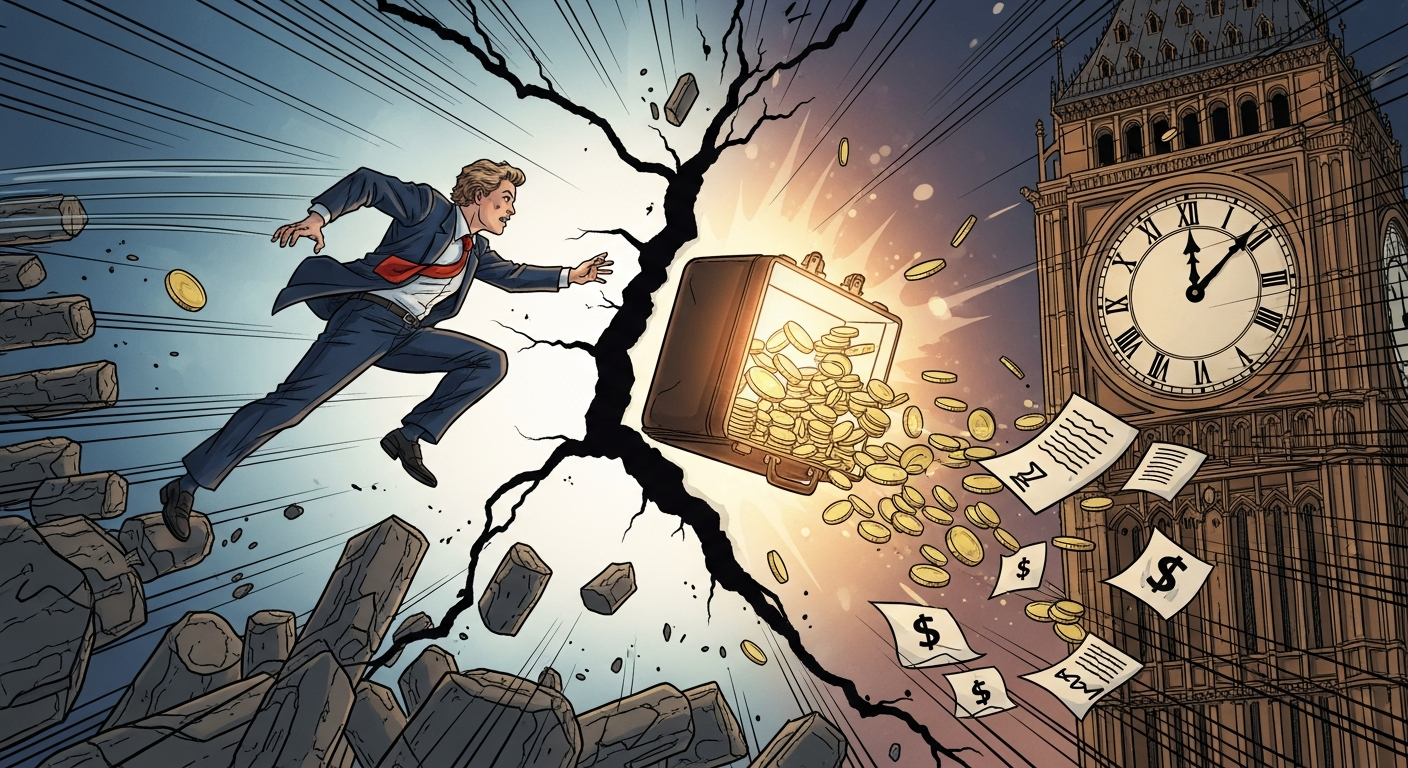
The SECURE 2.0 Act represents the most significant overhaul of retirement policy in decades, yet most Americans remain woefully uninformed about how these changes could transform their financial futures. As key provisions begin taking effect through 2026, the gap between those who leverage these changes and those who ignore them will widen dramatically. The enhancements to catch-up contributions, required minimum distributions (RMDs), and emergency withdrawal provisions aren’t just technical adjustments—they’re powerful tools that could add hundreds of thousands of dollars to retirement accounts for strategic planners.
Catch-Up Contributions: The Overlooked Wealth Multiplier
The expanded catch-up contribution limits for people over 50 may seem like a minor technical change, but the compounding impact is extraordinary. Consider this: a 55-year-old making maximum catch-up contributions to a Roth IRA over 15 years could add more than $100,000 in tax-free retirement funds compared to previous limits. This isn’t just about saving more—it’s about fundamentally changing the tax efficiency of retirement income.
The shift toward Roth accounts is particularly revolutionary. Unlike traditional retirement accounts where withdrawals are taxed as ordinary income, Roth distributions come out completely tax-free. This creates a powerful planning opportunity that too many advisors miss: strategic Roth conversions during lower-income years can dramatically reduce lifetime tax burdens. Fidelity Investments data shows that investors with diversified tax treatment (both traditional and Roth accounts) typically withdraw 11% more annual income than those with only traditional accounts of equal value.
The mistake most people make is focusing solely on current-year tax deductions rather than long-term tax efficiency. With federal deficits expanding and tax rates likely to increase in coming decades, tax-free Roth withdrawals will become increasingly valuable. The SECURE 2.0 provisions recognize this reality and provide a rare opportunity to build significant tax-free retirement assets.
Delayed RMDs: Financial Freedom, Not Just Longevity Adjustments
The gradual increase of Required Minimum Distribution age from 72 to 75 isn’t merely an actuarial adjustment for longer lifespans—it’s a fundamental shift in retirement planning flexibility. This change allows for an additional three years of tax-deferred growth that can significantly impact retirement sustainability. Financial modeling by Vanguard shows that delaying RMDs for just three years can increase portfolio longevity by approximately 1.5 years for retirees with balanced portfolios.
More importantly, this provision addresses one of retirement planning’s most frustrating contradictions: forcing withdrawals on retirees who don’t need the income, simply to generate tax revenue. The reduced penalties for missed RMDs (dropping from 50% to 25% or even 10% if corrected promptly) acknowledge that these requirements often create unnecessary complications for retirees.
For high-net-worth individuals, this extension creates powerful estate planning opportunities. An extra three years of growth before mandatory distributions can translate to hundreds of thousands in additional inheritance for beneficiaries. Combined with strategic Roth conversions during this extended window, affluent retirees can dramatically reduce their heirs’ tax burdens.
Emergency Withdrawals: Financial Resilience Without Retirement Penalties
The new penalty-free withdrawal provisions for disasters, domestic abuse, and terminal illness represent a profound shift in retirement policy philosophy. These changes acknowledge that retirement accounts aren’t just for retirement—they’re holistic financial resources that should be accessible during genuine crises without excessive penalties.
Take the case of natural disaster victims who previously faced a devastating choice: rebuild their lives immediately using retirement funds and pay substantial penalties, or struggle financially while preserving retirement assets. The SECURE 2.0 provisions create a more humane middle ground that preserves long-term retirement security while allowing for emergency access.
Similarly, the domestic abuse provisions address a heartbreaking reality: financial entrapment often prevents victims from leaving dangerous situations. By allowing penalty-free access to retirement funds, this provision could literally save lives by providing financial resources for those seeking safety.
Critics argue these provisions might encourage inappropriate withdrawals from retirement accounts. However, the reality is that people facing genuine emergencies were already making these withdrawals—they were just paying severe penalties on top of their existing hardships. The new rules don’t increase withdrawal likelihood; they simply reduce the financial punishment for unavoidable withdrawals.
Alternative Viewpoint: Do These Changes Really Help Those Who Need It Most?
A legitimate criticism of SECURE 2.0 is that many provisions disproportionately benefit higher-income Americans who already have substantial retirement savings. The catch-up contribution enhancements primarily help those who can afford to max out their regular contributions and still save more. Meanwhile, nearly 40% of American workers don’t participate in employer retirement plans at all.
This criticism has merit, but overlooks the act’s automatic enrollment provisions—perhaps its most important component for addressing retirement inequality. By requiring employers to automatically enroll eligible employees (with an opt-out option), SECURE 2.0 leverages behavioral economics to increase participation rates among lower and middle-income workers. Studies of automatic enrollment show participation rates typically jump from around 70% to over 90%, with the biggest gains among younger and lower-income workers.
The emergency withdrawal provisions also disproportionately benefit middle-class Americans who have some retirement savings but limited liquid assets. For these households, avoiding the 10% early withdrawal penalty during genuine emergencies can make the difference between financial recovery and long-term financial damage.
The Implementation Gap: Why Most People Won’t Benefit
Despite these powerful provisions, the harsh reality is that most Americans won’t take full advantage of SECURE 2.0 changes. Financial literacy studies consistently show that less than 30% of Americans understand even basic retirement concepts like tax-deferred growth or compound interest. Without proactive education and engagement, these powerful planning opportunities will remain theoretical for most workers.
Brian Muller’s advice to engage with HR departments represents the minimum action required, but truly optimizing these provisions demands more comprehensive planning. The complexity of these changes—with various effective dates through 2026—creates a planning environment where professional guidance delivers exceptional value.
Companies like Vanguard and Fidelity have developed SECURE 2.0 planning tools, but utilization rates remain low. This implementation gap means that the already-wide retirement preparedness divide will likely grow even wider as financially sophisticated individuals leverage these changes while others remain unaware or confused.
Taking Action: Beyond Basic Awareness
The most valuable aspect of SECURE 2.0 isn’t any single provision—it’s the combined impact of strategic implementation across multiple provisions. Workers approaching retirement should immediately review their contribution strategies, Roth conversion opportunities, and withdrawal timelines in light of these changes. Even seemingly small adjustments can yield six-figure differences in retirement outcomes when implemented consistently over time.
Employers also bear responsibility for effective implementation. Simply meeting the minimum requirements for automatic enrollment won’t maximize the potential benefits. Progressive employers are adding enhanced financial education, personalized planning tools, and retirement readiness assessments to help employees truly leverage these changes.
The SECURE 2.0 Act represents a rare opportunity to transform retirement outcomes, but only for those who recognize and act upon its provisions. The alternative—passive acceptance of default retirement settings—virtually guarantees suboptimal results in an era of unprecedented retirement planning flexibility.