
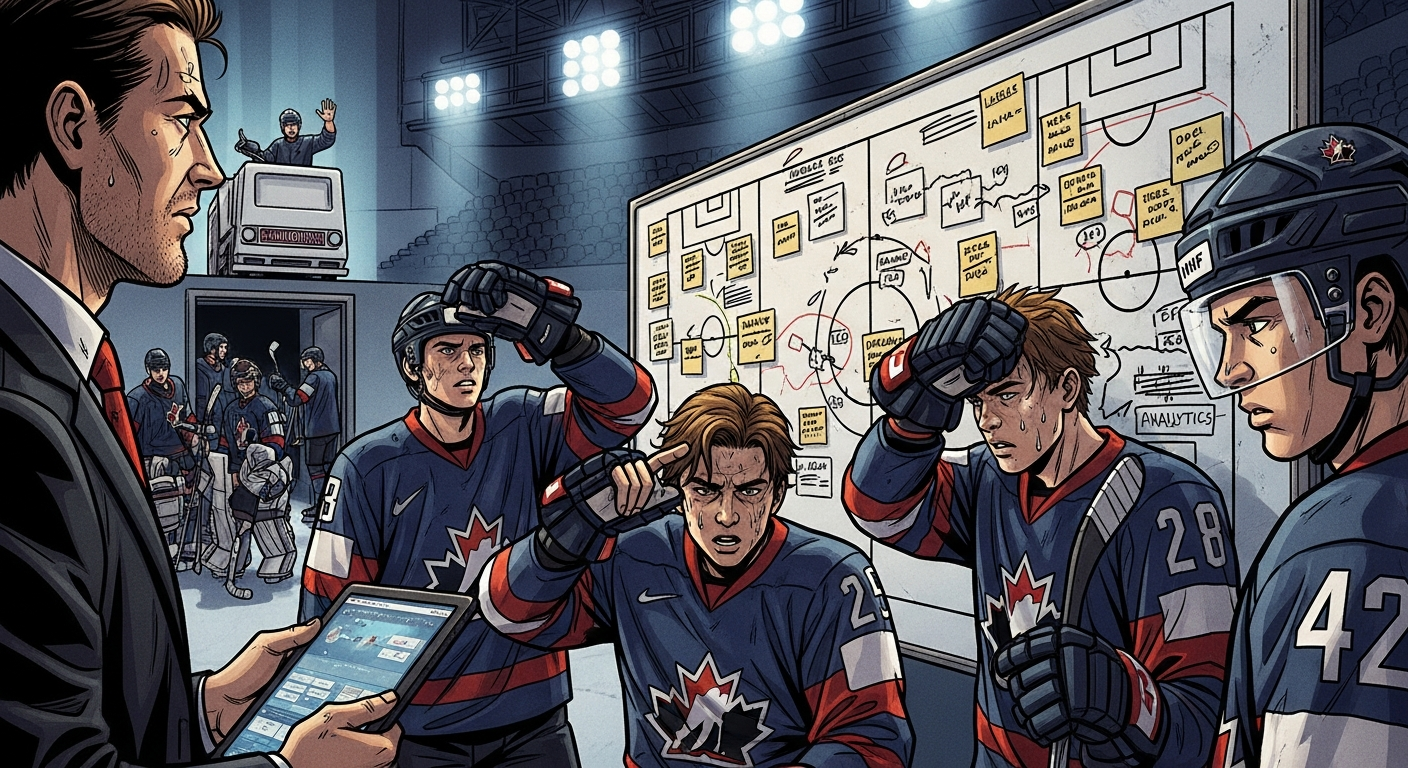
The IIHF World Junior Hockey Championship arriving in the Twin Cities represents what should be a triumphant celebration of hockey culture in a state that proudly calls itself the ‘State of Hockey.’ Yet the concerning revelation that tickets remain available for every game exposes a troubling disconnect between Minnesota’s hockey identity and its willingness to support international competition at the highest junior level.
With an expected $75 million economic impact and international visitors filling 8,000 hotel rooms, the numbers tell one story. But empty seats would tell another – one of missed opportunity and provincial thinking that ultimately hurts the sport’s growth in America.
Minnesota’s Hockey Identity Crisis
Minnesota has long positioned itself as America’s hockey heartland, yet the lukewarm ticket sales for World Juniors reveal a paradox in the state’s relationship with the sport. While high school and collegiate hockey tournaments routinely sell out, international junior competition – featuring tomorrow’s NHL superstars – apparently hasn’t generated the same enthusiasm. This selective passion exposes a narrow view of hockey excellence that celebrates local heroes while undervaluing the global game.
The comparison to Ottawa’s hosting experience is particularly revealing. Canadian markets consistently demonstrate how to properly celebrate international hockey, creating electric atmospheres that elevate the tournament’s prestige. When John Klinkenberg notes that Ottawa’s enthusiasm was ‘like nothing I have ever seen,’ but confidently claims Minnesota can ‘beat that,’ the statement feels more aspirational than realistic given current ticket sales.
Look at the 2022 tournament in Edmonton, where even amid COVID restrictions, the passion for international junior hockey was palpable. Meanwhile, Minnesota – despite its supposed hockey pedigree – appears hesitant to fully embrace the tournament.
Economic Impact Beyond the Numbers
The projected $75 million economic impact represents more than just a financial windfall – it’s a rare winter tourism opportunity for local businesses typically facing post-holiday slumps. Restaurant owners like Matt Bakke of Pillbox Tavern recognize this, preparing for ten straight days of increased business during what’s normally a quiet period.
However, the true economic potential can only be realized if Minnesotans actually show up. Empty seats don’t just look bad on television – they represent thousands of potential customers not patronizing local establishments before and after games. The ripple effect touches everything from transportation to retail to hospitality.
Consider Nashville’s transformation during the 2019 NFL Draft, which generated $132.8 million in direct spending while showcasing the city to a global audience. Similarly, World Juniors offers Minnesota not just immediate economic benefits but invaluable international exposure that could drive tourism for years to come – but only if the event creates the electric atmosphere worthy of television coverage.
The Development Pipeline Disconnect
Perhaps most troubling is Minnesota’s failure to recognize what the World Juniors actually represents: a showcase of hockey’s future elite. Klinkenberg correctly notes that when examining who dominates the NHL today, the common thread is their participation in World Juniors. This tournament isn’t peripheral to hockey excellence – it’s central to it.
The Minnesota Wild’s involvement in setting up rinks and clinics demonstrates some organizational understanding of the tournament’s importance. Yet the lack of sell-out crowds suggests a disconnect between hardcore hockey fans and casual observers who might not appreciate the exceptional talent on display.
Consider the 2017 tournament where current NHL superstars like Mitch Marner, Thomas Chabot, and Kirill Kaprizov (ironically now Minnesota’s brightest star) showcased their talents. Minnesotans who miss these games are literally missing the opportunity to watch future NHL All-Stars before they become household names – something any true hockey state should value immensely.
Fan Experience Innovation
The elaborate fan zones planned for St. Paul represent a significant investment in creating a comprehensive hockey celebration beyond just the games. The comparison to Super Bowl and Final Four activations indicates organizers understand the importance of making this a community event rather than just a tournament.
Frozen bumper cars, hockey-themed mini golf, and multiple rinks for public use show creative thinking about engaging casual fans and families. These elements could prove crucial in building atmosphere and drawing in those who might not otherwise purchase game tickets.
The 2018 Super Bowl in Minneapolis demonstrated Minnesota’s capacity to create memorable winter festival environments that celebrate sport while acknowledging the season. The World Juniors activation appears to follow this successful template, potentially creating traditions that could become staples of future tournaments.
Alternative Viewpoints: Understanding the Hesitation
To be fair, several factors might explain Minnesota’s apparent hesitation to fully embrace World Juniors. The post-holiday timing places the tournament in competition with NFL playoffs and college football bowl games for sports fans’ attention. Additionally, the tournament’s focus on under-20 players might not immediately resonate with casual fans unfamiliar with the development pipeline.
The ticket pricing structure could also be contributing to slower sales. International tournaments often command premium prices that exceed typical regular-season professional games, potentially creating sticker shock for families already financially stretched after the holidays.
However, these explanations feel insufficient for a state that claims hockey as its cultural cornerstone. If Minnesota truly deserves its ‘State of Hockey’ moniker, its residents should recognize World Juniors as a rare opportunity to witness elite international competition featuring the sport’s future stars.
The Path Forward
With the tournament beginning Friday, there’s still time for Minnesota to avoid the embarrassment of hosting international hockey games in half-empty arenas. Local media must emphasize the exceptional talent on display and the rare opportunity to witness future NHL stars before they become household names.
Corporate sponsors and the Minnesota Wild organization should consider ticket initiatives that fill seats and create the electric atmosphere international hockey deserves. Empty seats serve nobody – not the players, not the television audience, not the tournament organizers, and certainly not Minnesota’s reputation as a hockey hotbed.
The Twin Cities have invested years of planning and significant resources into hosting this tournament. The elaborate fan experiences and economic preparations demonstrate commitment at the organizational level. Now Minnesota hockey fans must match that commitment by filling Xcel Energy Center and demonstrating that international hockey excellence is truly valued in the State of Hockey.