
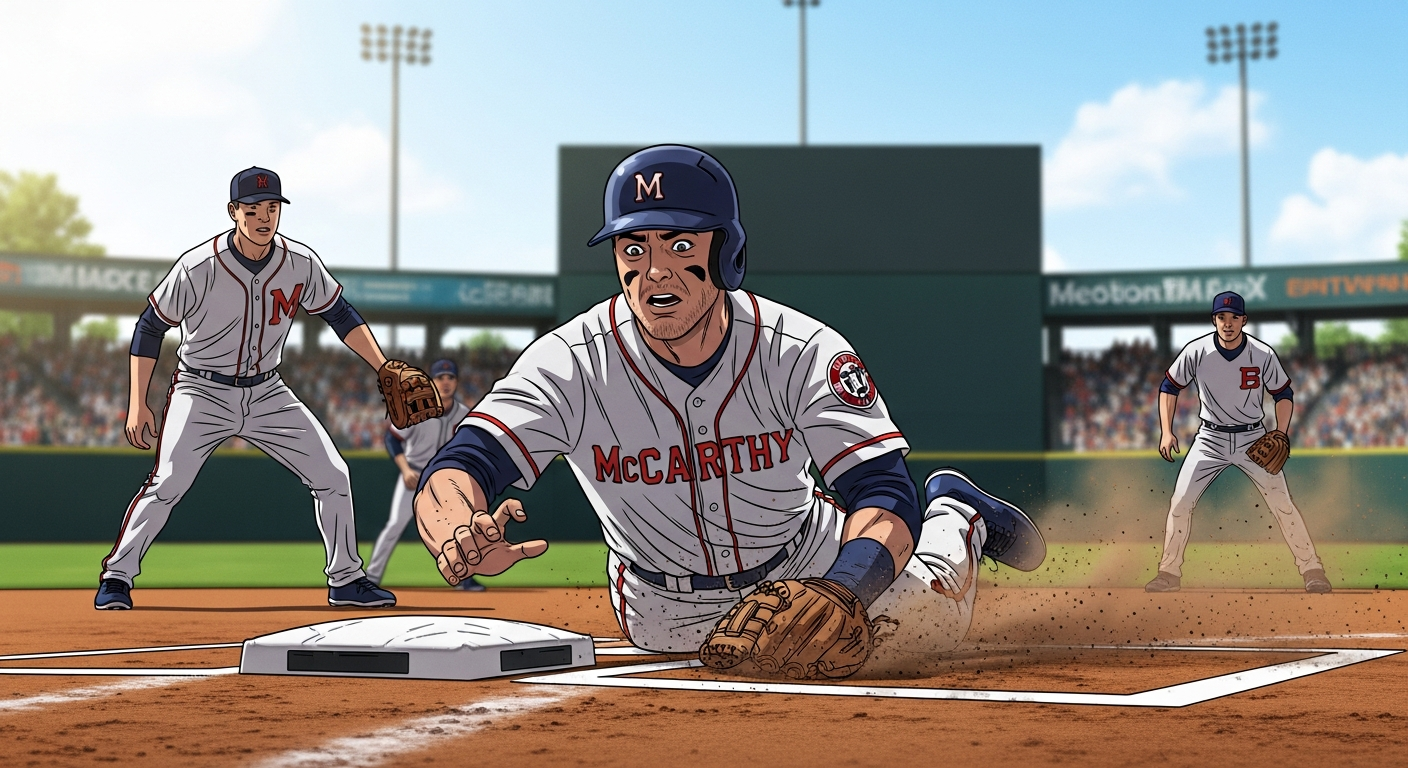
The Minnesota Vikings’ quarterback situation has devolved from hopeful to hazardous with J.J. McCarthy’s latest injury setback. This isn’t just another NFL injury report—it’s the fourth significant health issue for a quarterback who has barely begun his professional career. McCarthy’s hand injury against the Giants represents a troubling pattern that threatens not just this season but the Vikings’ long-term stability at the sport’s most important position.
The Vikings’ Quarterback Fragility Is No Longer Coincidental
McCarthy’s growing injury list—a torn meniscus that erased his rookie season, a high ankle sprain costing him five games, a concussion, and now a hand injury—reveals a disturbing trend. The Vikings have effectively invested their future in a quarterback who has been available for less than half of his potential NFL starts. This isn’t simply bad luck; it raises fundamental questions about McCarthy’s physical durability at the professional level.
The Vikings’ situation mirrors what happened with the San Francisco 49ers and Brock Purdy last season. Purdy suffered an elbow injury in the NFC Championship game that required surgery and a lengthy rehabilitation. However, unlike McCarthy, Purdy returned to form and has demonstrated remarkable durability since. The contrast highlights that not all young quarterbacks face the same injury challenges, making McCarthy’s situation particularly concerning.
The financial implications are substantial. While McCarthy’s rookie contract provides some financial flexibility now, the Vikings have invested significant draft capital and roster-building decisions around a quarterback who cannot stay on the field. This creates a cascading effect throughout the organization, from offensive scheme continuity to free agent decisions.
Minnesota’s Backup Plan Reveals Organizational Shortsightedness
The Vikings’ decision to enter a competitive season with Max Brosmer as their primary backup quarterback demonstrates a troubling lack of contingency planning. When organizations build around young, unproven quarterbacks, having experienced veterans as insurance isn’t luxury—it’s necessity. The Philadelphia Eagles demonstrated this philosophy perfectly in 2017 when Nick Foles stepped in for an injured Carson Wentz and led them to a Super Bowl victory.
Minnesota’s approach stands in stark contrast to teams like the Pittsburgh Steelers, who maintained playoff contention despite quarterback injuries by investing in experienced backups like Russell Wilson and Justin Fields. The Vikings’ failure to secure proven backup talent suggests either misplaced confidence in McCarthy’s durability or concerning resource allocation decisions.
The consequences extend beyond this season. Every missed game represents lost development time for a quarterback who already missed his entire rookie season. McCarthy’s inability to accumulate meaningful NFL experience creates a development deficit that becomes increasingly difficult to overcome.
The Broader Health Crisis Affecting Minnesota’s Roster
McCarthy’s injury doesn’t exist in isolation. The Vikings are experiencing a concerning pattern of injuries across key positions. Running back Jordan Mason and center Ryan Kelly both exited the same game with significant injuries. Kelly’s concussion is particularly alarming as it represents multiple head injuries in a short timespan.
This cluster of injuries raises legitimate questions about the Vikings’ training methodologies, medical staff protocols, and overall approach to player health. The Cincinnati Bengals faced similar questions after Joe Burrow’s multiple injuries, which prompted a complete overhaul of their training staff and protection schemes. Minnesota may need to consider a similar organizational reset.
The Seattle Seahawks demonstrated how to properly address injury patterns by revamping their entire strength and conditioning program under Pete Carroll, resulting in one of the league’s healthiest rosters for several seasons. The Vikings would be wise to examine such successful models rather than treating each injury as an isolated incident.
Alternative Viewpoints: The Development Perspective
Some analysts argue that McCarthy’s injuries, while concerning, represent normal developmental challenges for a young quarterback adjusting to NFL physicality. They point to players like Matthew Stafford, who overcame early-career injury concerns to build durable, successful careers. This perspective suggests patience rather than panic.
There’s also the view that McCarthy’s diverse injury types (knee, ankle, concussion, hand) indicate random misfortune rather than an underlying durability issue. Under this interpretation, the Vikings should maintain their current course rather than overreacting to a temporary setback.
However, these perspectives underestimate the cumulative effect of repeated injuries on a young quarterback’s development trajectory. Each missed game creates compounding deficits in experience, timing with receivers, and command of the offense. By the time McCarthy potentially overcomes these health challenges, the Vikings may have wasted the prime years of other key players.
The Path Forward Requires Difficult Decisions
The Vikings face uncomfortable questions about their quarterback situation. The organization must conduct a thorough evaluation of McCarthy’s long-term viability while simultaneously strengthening their backup quarterback position with experienced talent. This isn’t an overreaction—it’s prudent risk management for a franchise with playoff aspirations.
Minnesota should also commission an independent review of their medical and training staff practices, examining everything from practice intensity to injury prevention protocols. The clustering of injuries suggests systemic issues rather than isolated misfortune.
Most importantly, the Vikings must be honest with their fan base about McCarthy’s situation. False optimism helps no one. The Green Bay Packers demonstrated this transparency when dealing with Aaron Rodgers’ injuries, setting realistic timelines and expectations rather than perpetuating uncertainty.
The Vikings stand at a crossroads. McCarthy may yet develop into the franchise quarterback they envisioned, but the organization cannot simply hope for better health. They must implement concrete changes to their quarterback development approach, injury prevention protocols, and roster construction philosophy. The future of the franchise depends on getting these decisions right.