
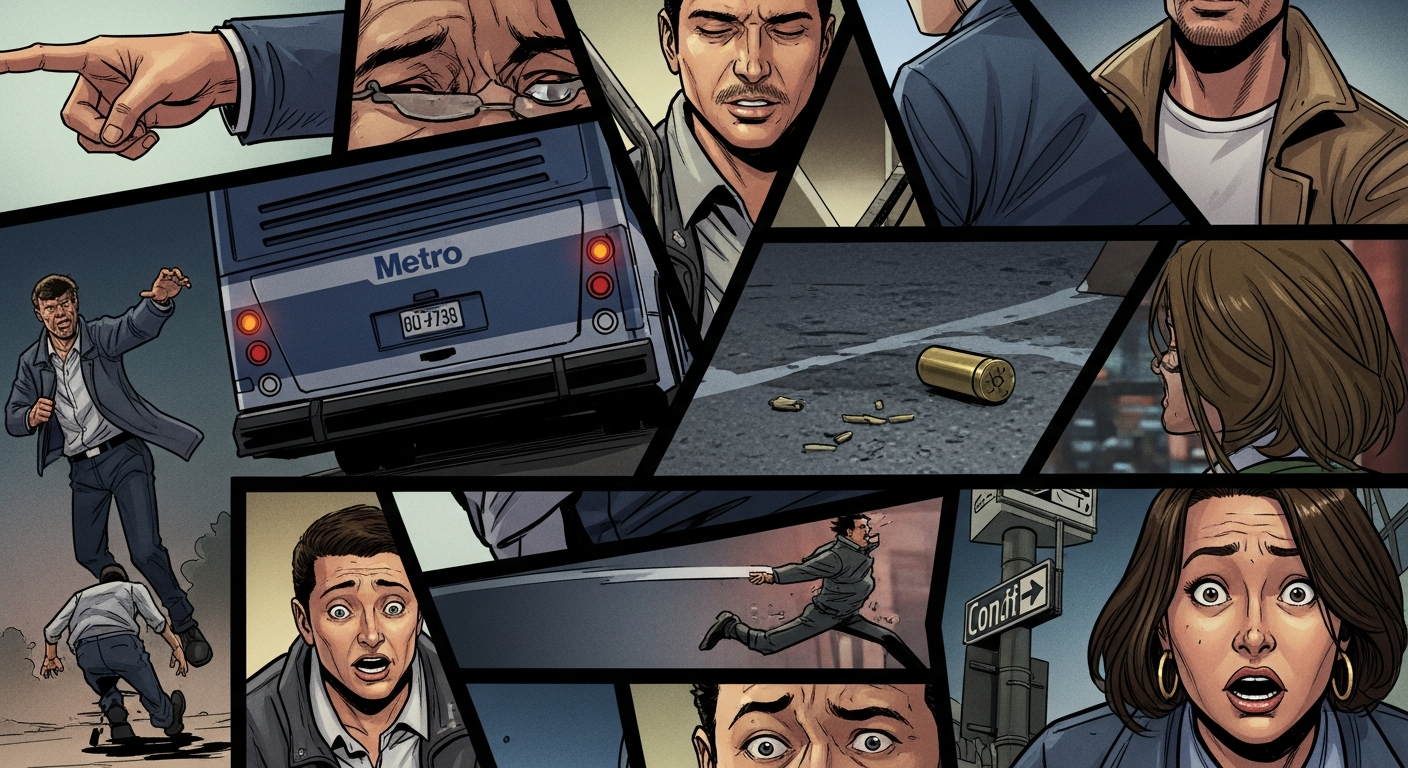
The recent shooting on a Metro Transit bus in North Minneapolis represents far more than an isolated incident. It’s a glaring symptom of a multifaceted urban safety crisis that affects public transportation, community wellbeing, and economic mobility. With three people injured—one critically—this attack highlights how essential public services have become dangerous zones in some urban areas, creating a cycle of fear that further isolates vulnerable communities.
Public transportation serves as the lifeline for countless residents who depend on it for work, education, healthcare, and daily necessities. When these systems become targets for violence, the consequences extend far beyond the immediate victims. The ripple effects touch every aspect of urban life, from economic opportunity to community cohesion.
Public Transit: The Overlooked Front Line in Urban Safety
Public transportation systems have increasingly become spaces where urban tensions manifest in violent ways. The shooting in North Minneapolis follows a troubling pattern seen in cities nationwide. In Washington DC, transit crime increased by 31% in 2023, while New York City saw a 45% increase in transit-related felony assaults between 2019 and 2022. These aren’t just statistics—they represent a fundamental breakdown in the social contract that public spaces should be safe for all citizens.
Transit workers bear a disproportionate burden of this crisis. According to the Amalgamated Transit Union, assaults on transit operators increased by 38% nationally between 2018 and 2022. These frontline workers face daily threats while simply doing their jobs. In the Minneapolis incident, the driver had to make split-second decisions that likely saved lives by driving away from the scene to a safer location.
The economic implications are equally severe. When people fear public transit, they avoid using it, creating a downward spiral: reduced ridership leads to reduced revenue, which leads to service cuts, which disproportionately impacts those with no transportation alternatives. This perpetuates cycles of poverty and isolation in already marginalized communities.
The Complex Web of Urban Violence and Public Services
The shooting on Penn Avenue reflects a broader pattern where essential public services become casualties of community violence. This incident occurred in North Minneapolis, an area that has historically struggled with higher rates of violent crime compared to other parts of the city. According to Minneapolis Police Department data, North Minneapolis accounts for nearly 40% of the city’s violent crime despite representing only about 20% of its population.
Public transit systems don’t exist in isolation—they reflect and sometimes amplify the challenges of the communities they serve. The Metropolitan Council reported a 35% increase in security incidents across the Twin Cities transit system in 2022 compared to pre-pandemic levels. This mirrors broader trends of increased violence in many urban areas following the social and economic disruptions of recent years.
The relationship between public transit and community safety works both ways: safer communities create safer transit systems, while safer transit systems help build stronger communities by providing reliable access to economic opportunities. When either side of this equation breaks down, the entire system suffers.
Technology Solutions: Necessary But Not Sufficient
The police statement that they’re