
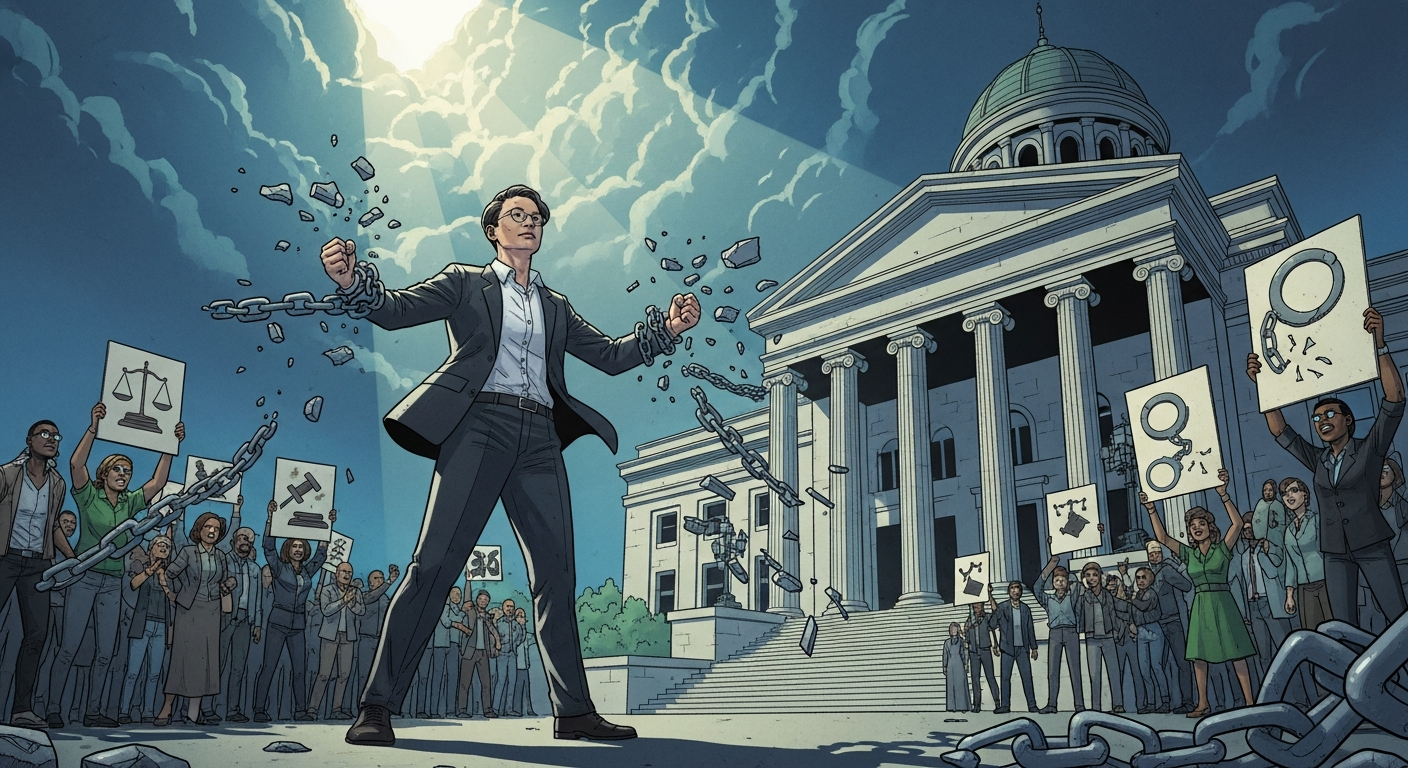
In a system designed to perpetually punish, Jason Sole’s full pardon represents both a personal victory and a scathing indictment of America’s reluctance to embrace true redemption. His two-decade journey from conviction to clemency highlights not just one man’s remarkable transformation but the unnecessary barriers society places before those seeking second chances.
The unanimous decision by Minnesota’s Board of Pardons to grant Sole a clean slate comes after an initial rejection in 2021 and required extraordinary community mobilization – 138 supporters on Zoom and dozens in person. This begs the question: why must redemption demand such herculean efforts and exceptional cases?
The Exceptional Exception Problem
Jason Sole’s story stands as the exception that proves the rule – America’s criminal justice system remains fundamentally resistant to forgiveness. His transformation from gang involvement to professor and community leader represents the kind of extraordinary narrative required to overcome the permanent stigma of a criminal record. This perpetuates a dangerous standard where only those with remarkable achievements deserve redemption.
Consider the broader statistics: approximately 70 million Americans have a criminal record, creating lifelong barriers to employment, housing, and education. Yet pardons remain exceptionally rare. In the federal system, President Biden has pardoned just 16 individuals during his term, while over 17,000 clemency petitions remain pending. The message becomes clear – redemption is reserved for the extraordinary few who can demonstrate exceptional transformation.
This exceptionalism framework fundamentally misunderstands the purpose of pardons and clemency. These mechanisms should function as normal components of a justice system that recognizes human growth and change, not as rare rewards for the remarkably rehabilitated.
The Invisible Collateral Consequences
What makes Sole’s pardon so significant are the invisible punishments it finally removes – restrictions that continued decades after his formal sentences ended. His last conviction occurred in 2005, yet the collateral consequences followed him for 18 years despite his complete transformation.
These invisible punishments represent America’s shadow justice system. Background checks limit employment opportunities, housing applications reject those with records, and professional licensing boards deny certifications. A 2018 study from the Prison Policy Initiative found that the unemployment rate for formerly incarcerated people was 27% – higher than the total U.S. unemployment rate during the Great Depression.
The Minnesota Board’s decision acknowledges what research consistently proves: after remaining crime-free for seven years, a person with a conviction history is statistically no more likely to commit a crime than someone who has never been convicted. Yet our policies ignore this reality, creating permanent punishment classes in direct contradiction to rehabilitation goals.
Community Validation vs. Institutional Recognition
Perhaps most telling in Sole’s case was the disconnect between community recognition and institutional forgiveness. Long before the state granted his pardon, his community had already embraced his transformation. As a professor, activist, husband, and father, he had earned the trust and respect of those around him.
This pattern repeats across America, where communities often recognize redemption far earlier than official systems. Bryan Stevenson, founder of the Equal Justice Initiative, calls this the