
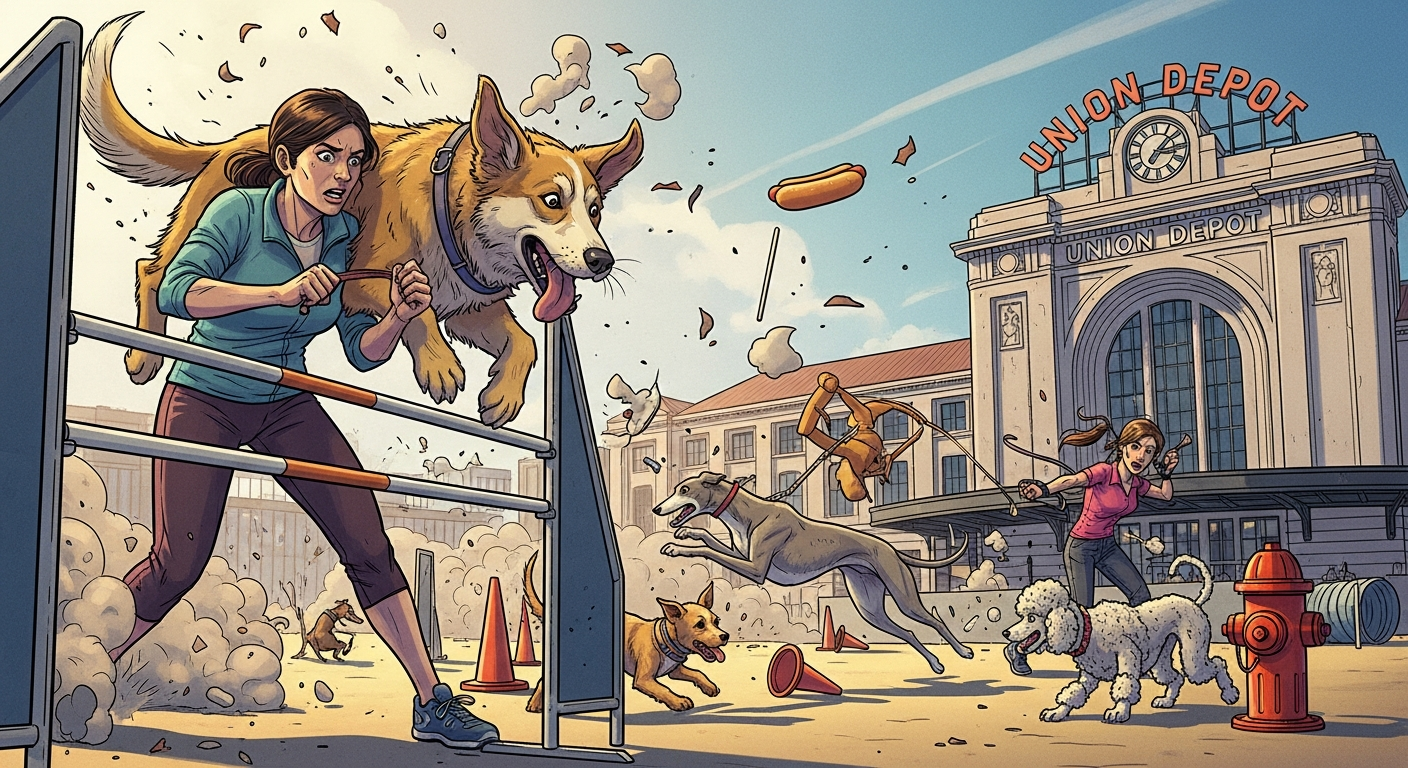
Saint Paul’s Union Depot is hosting a ‘Doggie Depot’ event featuring a canine ‘King and Queen of Snows’ contest, dog yoga, adoption opportunities, and a marketplace. While this might appear as just another cute dog event, it represents something far more significant: the vital role of community-centered events in strengthening social bonds and supporting public welfare. These pet-centric gatherings aren’t frivolous distractions but essential components of healthy community infrastructure that deserve more recognition and support.
Pet-Centered Events Create Critical Community Connections
The ‘Doggie Depot’ event exemplifies how animal-centered gatherings serve as powerful social connectors in an increasingly isolated society. Americans are experiencing unprecedented levels of loneliness, with the Surgeon General declaring it an epidemic in 2023. The data shows 61% of young adults report feeling ‘seriously lonely,’ while social isolation increases mortality risk by 29%.
Pet events create natural, low-pressure social environments where strangers connect through shared interests. Unlike many social settings that require extensive preparation or social energy, dog-centered events provide built-in conversation starters and activities. The Union Depot event smartly combines multiple elements – competitions, yoga, shopping, and adoption – creating diverse entry points for community engagement.
Look at similar events like the Woofstock Festival in Toronto, which draws over 300,000 attendees annually and has become a cornerstone of community identity while raising substantial funds for animal welfare. These aren’t just ‘cute’ gatherings – they’re social infrastructure that combats isolation and builds community resilience.
Animal Adoption Components Deliver Concrete Public Benefits
The inclusion of rescue organizations with adoptable dogs transforms this event from mere entertainment into a public service platform. Approximately 6.3 million companion animals enter U.S. shelters yearly, according to the ASPCA. Events like ‘Doggie Depot’ create visibility for these animals and the organizations that serve them.
The public health benefits extend beyond the animals themselves. Research published in the Journal of Psychiatric Research demonstrates that pet ownership correlates with reduced depression, anxiety, and loneliness. Pet adopters experience measurable improvements in cardiovascular health, with dog owners showing 24% reduced all-cause mortality according to a meta-analysis in Circulation.
The Bissell Pet Foundation’s ‘Empty the Shelters’ events offer a compelling example of the impact such platforms can have, facilitating over 140,000 adoptions since 2016. By incorporating adoption opportunities into community events, Union Depot is addressing multiple social needs simultaneously – creating an effective model that more public spaces should emulate.
Public Spaces Serving Multiple Functions Maximize Community Resources
Union Depot’s transformation into a dog-friendly event space represents smart utilization of public infrastructure. Too often, public buildings serve narrow purposes, sitting empty during off-hours or catering to limited demographics. By hosting diverse events like ‘Doggie Depot,’ the venue demonstrates how public spaces can adapt to serve multiple community needs.
The economic impact is significant as well. The marketplace component brings together local vendors, creating economic opportunities for small businesses while keeping dollars circulating in the local economy. Similar models like the Farmers Market at Union Station in Washington D.C. generate approximately $13 million in annual economic activity while utilizing public space that would otherwise sit underused.
Bryant Park in New York City offers another instructive example, hosting over 1,000 free activities annually that transformed a once-dangerous area into a community hub that generates significant economic activity for surrounding businesses. Union Depot’s approach follows this successful model of maximizing public resource utility through diverse programming.
Alternative Viewpoints: Addressing Valid Concerns
Critics might argue that pet events represent frivolous use of public resources when communities face serious challenges like homelessness, infrastructure decay, and educational needs. This perspective has merit – public resources must be allocated thoughtfully. However, this creates a false dichotomy between ‘serious’ and ‘social’ uses of public spaces.
The data shows community-building events deliver concrete benefits to public health, economic development, and social cohesion – outcomes that directly address those serious challenges. A 2018 study in the Journal of Urban Economics found that community events increased property values, improved safety, and generated tax revenue that funded other essential services.
Others might question whether dog-centered events are truly inclusive, particularly for those with allergies, cultural aversions to dogs, or limited mobility. These are legitimate concerns that event organizers must address through thoughtful planning, including designated areas, clear signage, and diverse programming. However, these challenges argue for better event design rather than abandoning the model entirely.
The Future of Community Event Planning
Events like ‘Doggie Depot’ offer valuable lessons for community planners nationwide. First, they demonstrate how seemingly niche interests can serve as foundations for broader community engagement. Second, they highlight the value of multi-purpose programming that addresses several community needs simultaneously. Third, they show how public spaces can better serve diverse populations through creative utilization.
Moving forward, communities should develop more sophisticated metrics for measuring the impact of these events beyond attendance numbers. Tracking social connection formation, economic activity, adoption rates, and mental health benefits would provide valuable data to guide future investments. The Robert Wood Johnson Foundation’s work on measuring social connection offers promising frameworks for this evaluation.
Local governments should also consider formal policies that encourage the use of public spaces for community-building events, with simplified permitting processes and dedicated funding streams. The return on investment – in terms of public health, economic activity, and community cohesion – justifies this approach.
Conclusion
The ‘Doggie Depot’ event at Union Depot represents far more than a cute dog contest. It exemplifies how thoughtfully designed community gatherings can address multiple social needs simultaneously – from combating loneliness to supporting animal welfare to maximizing public infrastructure. These events aren’t luxuries but essential components of healthy communities.
As society grapples with increasing isolation and divisiveness, community-centered events that bring diverse populations together around shared interests become increasingly vital. Public officials, community planners, and citizens should recognize and support these gatherings not as frivolous distractions but as critical investments in social infrastructure. The next time you see a dog contest or pet parade advertised, recognize it for what it truly is – not just entertainment, but community building in action.