
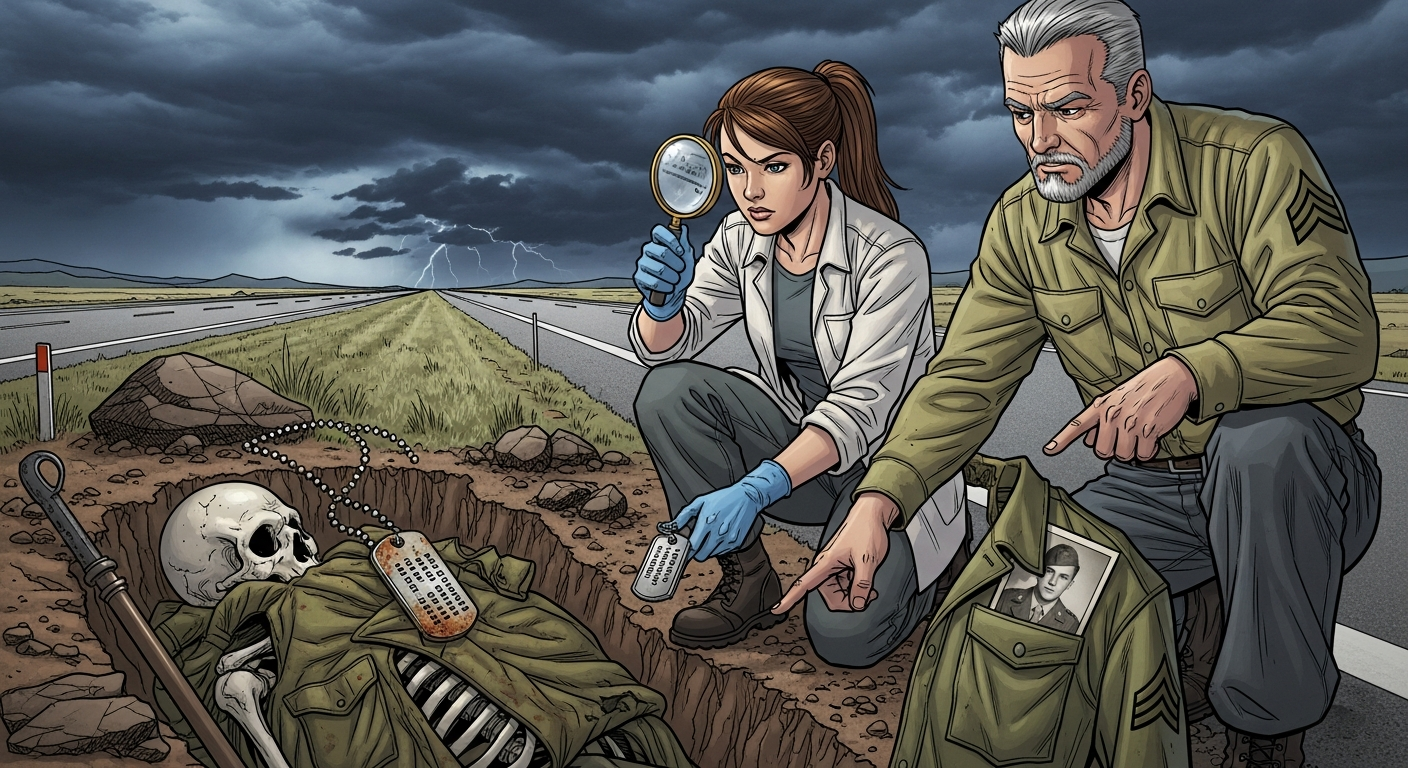
The identification of World War II veteran Luis Robledo’s remains a decade after his body was discovered along Interstate 90 represents far more than a forensic achievement. It exposes profound systemic failures in how we track, care for, and honor our aging veterans. That a man who served his country could end up unidentified for years on the side of a highway in a state far from his home reveals disturbing gaps in our social safety net and veteran support systems.
The stark discrepancy between initial age estimates (40-45 years) and Robledo’s actual age (70s or 80s) highlights how easily elderly veterans can become invisible in our society. This case isn’t merely about advanced DNA techniques solving a mystery; it’s about a society that allowed a WWII veteran to disappear without notice for potentially over a decade.
The Veteran Tracking Crisis
The fact that Luis Robledo, a documented WWII veteran, could vanish without triggering any alerts in veteran affairs systems points to a catastrophic failure in veteran tracking mechanisms. The Department of Veterans Affairs serves approximately 9 million veterans annually, yet an unknown number fall through administrative cracks. The last official record of Robledo dates back to 1990 – meaning for potentially 25 years, no official system flagged his absence from VA healthcare appointments, benefit collections, or other touchpoints.
Similar cases have emerged elsewhere. In 2017, the body of Robert Leroy Kovack, a Vietnam veteran, was identified 40 years after his disappearance. In 2019, the remains of Korean War veteran Earl Keating were identified 73 years after his death. These cases demonstrate that Robledo’s situation isn’t an anomaly but evidence of a systemic problem in veteran tracking and welfare checks.
The VA’s current system relies heavily on veterans themselves initiating contact. For elderly veterans, especially those without close family connections or suffering from conditions like dementia, this approach is fundamentally flawed. A proactive outreach system with regular welfare checks for aging veterans would create vital safety nets for those who served our country.
The Migration Mystery and Elder Vulnerability
The question of how a Texas native ended up deceased in Minnesota without documentation highlights another critical issue: the vulnerability of elderly people, especially veterans, during geographic transitions. Robledo’s case suggests he traveled or relocated without systems in place to track this movement. This raises serious concerns about elder migration patterns and the lack of interstate coordination in monitoring vulnerable populations.
Research from the National Council on Aging shows that approximately 1 in 10 Americans aged 60+ have experienced some form of elder abuse, with many cases going unreported. Geographic isolation compounds this vulnerability. When seniors relocate away from established support networks, their risk factors increase dramatically.
The circumstances surrounding Robledo’s death remain unclear, but his case bears similarities to other incidents where elderly individuals have been exploited during relocation. In 2018, authorities in Arizona uncovered a scheme targeting elderly veterans, convincing them to relocate for