
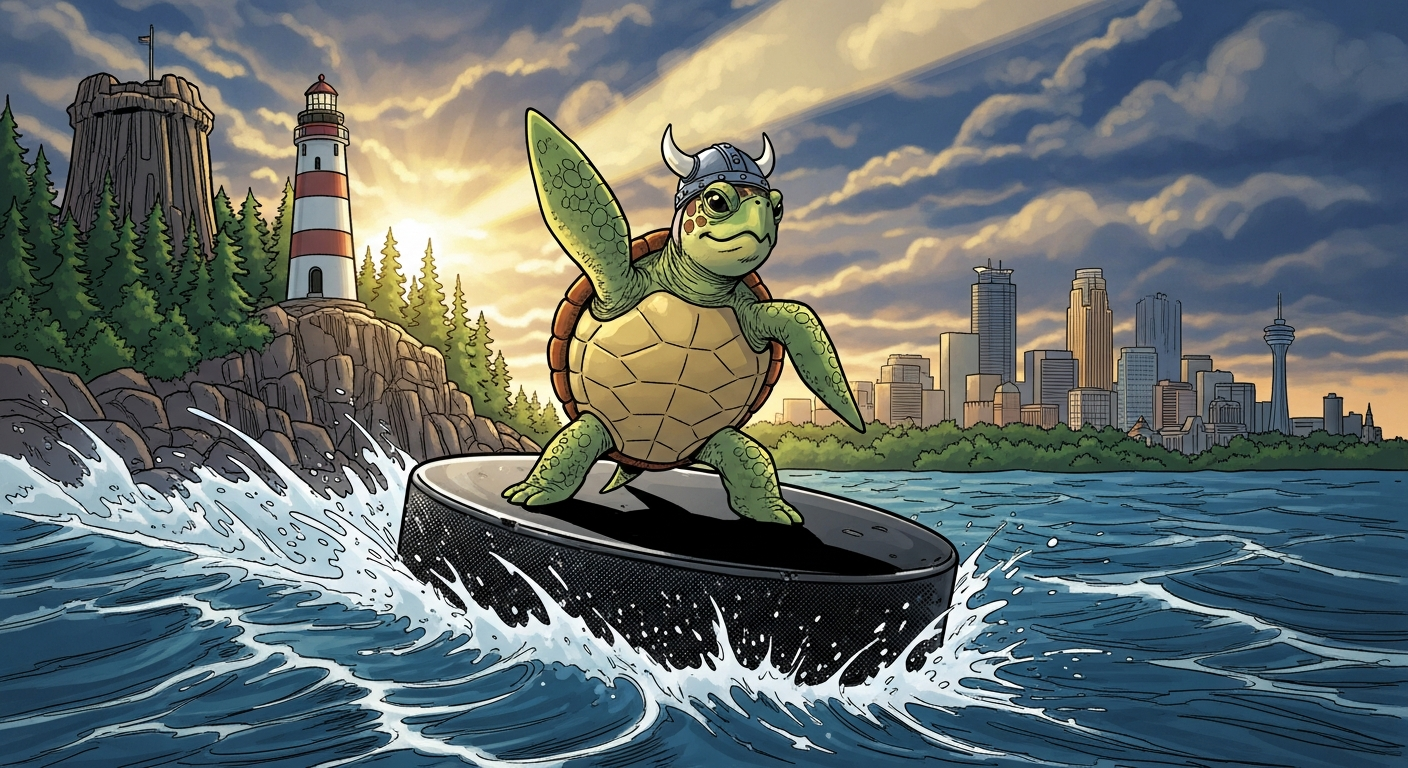
When a 300-pound loggerhead sea turtle named Snooki makes her debut at the Minnesota Zoo—1,000 miles from the nearest ocean—it represents far more than an interesting new exhibit. It symbolizes both our growing environmental responsibilities and the expanding role inland communities must play in ocean conservation. Snooki’s journey from a stranded turtle on New Jersey shores to becoming an ambassador in the Midwest demonstrates how conservation efforts now transcend geographical boundaries, creating both opportunities and obligations for inland communities.
Inland Conservation Centers Are Becoming Critical Partners in Marine Rescue Efforts
The relocation of Snooki to the Minnesota Zoo highlights a significant shift in how we approach marine conservation. With coastal rehabilitation centers often operating at capacity, inland facilities with appropriate resources are increasingly stepping up to provide permanent homes for non-releasable marine animals. The Minnesota Zoo’s 250,000-gallon Atlantic Reef exhibit—50 times larger than Snooki’s previous pool—demonstrates that inland facilities can sometimes offer superior accommodations for animals that cannot return to the wild.
This trend is visible across the country. The Georgia Aquarium, located in Atlanta—250 miles from the ocean—has become one of the leading rehabilitation centers for marine mammals. Similarly, the Shedd Aquarium in Chicago has developed specialized programs for sea turtles with buoyancy disorders like Snooki’s. These inland facilities often have more space, greater financial resources, and specialized staff that coastal rescue operations may lack.
The partnership between the Karen Beasley Sea Turtle Rescue and Rehabilitation Center and the Minnesota Zoo exemplifies how collaborative networks between coastal rescue operations and inland facilities can maximize resources and expertise. This model of cooperation represents the future of conservation work—one where geographical boundaries matter less than combined expertise and resources.
Ambassador Animals Create Powerful Conservation Connections for Inland Communities
Snooki’s presence in Minnesota serves a crucial educational purpose that extends beyond simple entertainment. For many Midwesterners, particularly children, seeing a living sea turtle might be their first tangible connection to ocean ecosystems. This direct experience creates emotional investment in marine conservation that abstract news reports or statistics cannot match.
Research supports this approach. A 2018 study published in the Journal of Environmental Education found that direct encounters with ambassador animals increased conservation-minded behaviors by 32% compared to information-only presentations. When Kathy Zagzebski, executive director of the Karen Beasley Center, states that “Snooki will inspire guests to care about the ocean, even from a thousand miles away,” she’s referencing this documented phenomenon.
The Georgia Aquarium provides compelling evidence of this impact. After introducing rescued sea turtles to their inland facility, they documented a 41% increase in visitor donations to marine conservation causes and a 27% increase in self-reported conservation behaviors among local visitors. These numbers demonstrate that ambassador animals like Snooki create conservation advocates in places far removed from coastal concerns.
The Ethics of Animal Ambassador Programs Require Careful Consideration
While Snooki’s story appears positive, it raises important ethical questions about using injured animals as conservation ambassadors. The decision to place non-releasable animals on display must balance educational value against potential stress to the animal. The Minnesota Zoo’s approach—providing a month-long acclimation period and continuous monitoring—demonstrates awareness of these concerns, but ongoing assessment remains essential.
The Association of Zoos and Aquariums has established guidelines requiring that ambassador animals receive environments that meet their physical and psychological needs. Snooki’s new habitat—with deep water exploration opportunities she hasn’t had in nine years—appears to meet these standards. However, transparency about her adjustment and long-term welfare will be crucial for maintaining public trust.
The Detroit Zoo provides an instructive counterexample. In 2016, they chose to close their elephant exhibit and transfer their elephants to a sanctuary, acknowledging that they couldn’t provide adequate space for these animals. This decision, while difficult, demonstrated ethical leadership in prioritizing animal welfare over visitor experiences. All facilities housing ambassador animals should maintain similar willingness to make difficult decisions based on animal welfare rather than visitor demand.
Alternative Viewpoints: Is Transportation Stress Justified?
Critics might reasonably question whether transporting a sea turtle with existing health issues across the country creates unnecessary stress for questionable benefit. The article mentions a “private flight” was chartered for Snooki’s relocation—a considerable expense and potential stressor for the animal. Some marine conservation advocates argue that resources might be better directed toward prevention efforts rather than high-profile rescues.
This criticism has merit but overlooks the multiplicative effect of ambassador animals. While the resources used for Snooki’s transport and care could directly protect other sea turtles, her presence in Minnesota will likely generate donations, volunteer interest, and conservation behaviors that exceed the initial investment. The Minnesota Zoo’s previous sea turtle ambassador program generated over $175,000 in conservation funding—resources that would not have existed without the emotional connection created by an ambassador animal.
Additionally, the specialized care Snooki requires for her buoyancy issues might be better provided at a major zoo facility than at an already-stretched rescue center. The Minnesota Zoo’s team has “decades of experience caring for sea turtles with buoyancy issues,” suggesting she may receive more specialized attention than would be possible at facilities handling numerous rehabilitation cases simultaneously.
The Future of Conservation Requires Breaking Down Geographical Boundaries
Snooki’s journey from New Jersey to Minnesota represents the future of conservation—one where geographical boundaries matter less than collective responsibility. Ocean conservation can no longer be the exclusive concern of coastal communities, just as inland environmental issues cannot be addressed in isolation. The interconnectedness of our ecosystems demands equally interconnected conservation networks.
Facilities like the Minnesota Zoo that take on ambassador animals from distant ecosystems are not merely providing homes for individual animals—they’re creating conservation constituencies in places previously disconnected from these issues. When a child in Minnesota develops concern for sea turtles because of Snooki, that concern may eventually extend to broader ocean health issues, plastic pollution, and climate change.
Conservation organizations should actively pursue more such partnerships, creating networks that distribute both responsibility and educational opportunities across geographical boundaries. The U.S. Fish and Wildlife Service’s permitting process for such transfers should be streamlined for accredited facilities while maintaining appropriate oversight.
Snooki’s story isn’t just about one turtle finding a new home—it’s about expanding the geographical boundaries of conservation concern and responsibility. Her presence in Minnesota challenges the notion that ocean conservation belongs only to coastal communities and offers a model for how inland facilities can contribute meaningfully to marine conservation efforts.