
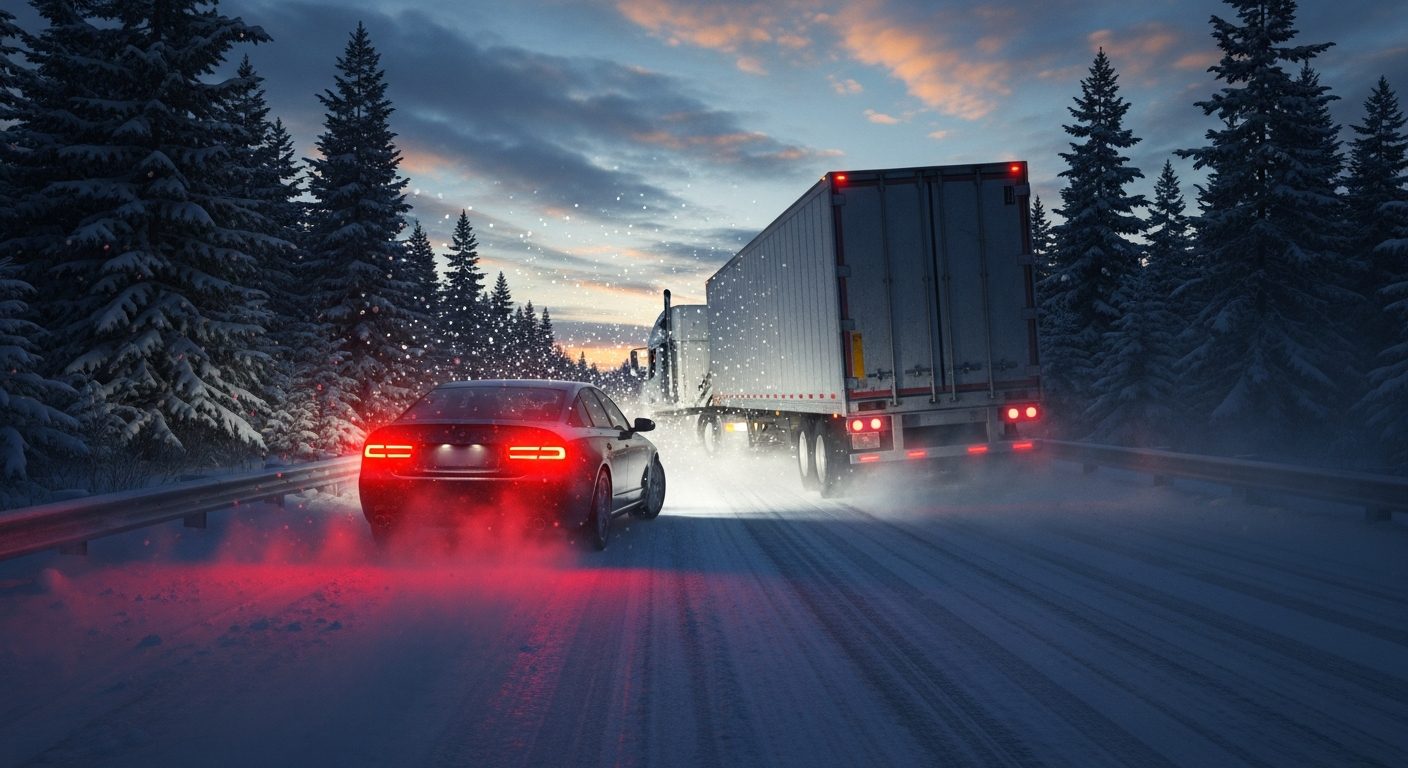
The recent spate of crashes across Minnesota—156 property damage incidents, 15 with injuries, and 220 vehicles off the road in just 9.5 hours—reveals a systemic failure in our approach to winter road safety. This isn’t simply about bad weather; it’s about inadequate infrastructure, insufficient preventative measures, and a reactive rather than proactive approach to public safety during predictable seasonal challenges.
When a “potent clipper-type system” is forecast days in advance, yet still results in hundreds of incidents, we must question whether our current systems are serving the public adequately. The evidence suggests they are not.
Minnesota’s Winter Infrastructure: Outdated and Underfunded
Minnesota’s approach to winter road maintenance suffers from chronic underinvestment despite the state’s well-known winter conditions. The American Society of Civil Engineers gives Minnesota’s infrastructure a C grade, with roads specifically earning a D+. This isn’t merely an inconvenience—it’s a public safety crisis playing out in real-time.
The Minnesota Department of Transportation’s budget for winter maintenance has remained relatively stagnant when adjusted for inflation, despite increasing costs of materials and labor. In 2019, MnDOT spent approximately $133 million on winter maintenance operations, which represents less than 20% of what neighboring Wisconsin allocates per mile of roadway for similar conditions.
Compare this to Colorado’s approach, where the Department of Transportation implemented a proactive anti-icing program that reduced crash rates by 14% during winter storms. Their system includes real-time road condition monitoring and targeted pre-treatment of problematic areas based on historical data and weather forecasts. The result? Fewer crashes, injuries, and fatalities—and ultimately lower costs to the public.
The Economic Impact: Far Beyond Bent Fenders
The financial toll of these 156 crashes extends far beyond property damage. Each incident creates a cascade of costs: emergency response resources, healthcare expenses for the injured, lost productivity, increased insurance premiums, and traffic delays affecting countless others.
A 2014 study by the American Automobile Association found that traffic crashes cost the U.S. economy $299.5 billion annually. For Minnesota specifically, winter-related crashes represent approximately $1.2 billion in economic costs each year—about $220 per resident.
The Michigan Department of Transportation conducted a cost-benefit analysis of winter road maintenance and found that every $1 spent on preventative winter maintenance saves $5.20 in crash costs, user delays, and additional fuel consumption. Applied to Minnesota’s situation, this suggests that doubling the winter maintenance budget could potentially save the state over $500 million annually.
Technology Solutions Being Ignored
While Minnesota struggles with basic snow clearance, other regions have implemented technological solutions that dramatically improve winter road safety. Sweden, which faces similar winter conditions, has reduced winter road fatalities by 50% over the past decade through a combination of smart road technology, variable speed limits based on conditions, and targeted infrastructure improvements.
Closer to home, Iowa’s Department of Transportation has implemented an advanced winter maintenance decision support system that combines weather forecasts, pavement conditions, and traffic data to optimize road treatment. This system has reduced salt usage by 30% while improving safety outcomes.
Minnesota has piloted similar technologies but has failed to implement them at scale. The Minnesota Road Research Project (MnROAD) has tested heated pavement systems, advanced de-icing materials, and smart infrastructure, yet these innovations rarely make it beyond the testing phase due to budget constraints and institutional inertia.
The Human Cost Cannot Be Ignored
Behind each of those 15 injury crashes are real people whose lives may be forever altered. Winter crashes often result in more severe injuries due to increased impact forces and challenging emergency response conditions. The average cost of a crash with injuries exceeds $126,000, according to the National Safety Council, but this fails to capture the human suffering involved.
The predictable nature of these incidents makes them all the more tragic. These aren’t unavoidable acts of nature—they’re preventable outcomes of policy choices and resource allocation decisions.
Alternative Viewpoints: The Budget Reality
Some argue that Minnesota’s budget constraints make significant infrastructure investments impossible. The state faces competing priorities, and road maintenance must be balanced against education, healthcare, and other essential services.
This argument, while understandable, fails to recognize the false economy at work. Every dollar not spent on preventative maintenance and safety improvements costs multiples in crash response, healthcare, lost productivity, and human suffering. The Michigan DOT study mentioned earlier demonstrates this clearly: prevention is far less expensive than dealing with the consequences.
Others suggest that drivers bear responsibility for adjusting to conditions. This perspective has merit—drivers should indeed reduce speeds and increase following distances during winter weather. However, this argument ignores the reality that many crashes occur despite cautious driving, particularly when road treatments are inadequate or applied too late.
The evidence from states and countries with more proactive approaches demonstrates that better systems result in fewer crashes, regardless of individual driving behavior. Personal responsibility and systemic improvements are complementary approaches, not competing alternatives.
Moving Forward: Solutions Exist
Minnesota needs a comprehensive overhaul of its winter road safety approach. This should include:
- Increased funding for winter maintenance operations, with performance metrics tied to safety outcomes rather than simply miles plowed
- Implementation of predictive analytics to deploy resources before storms hit, rather than reacting to accumulation
- Investment in smart infrastructure that communicates real-time road conditions to both maintenance crews and drivers
- Public education campaigns that go beyond basic winter driving tips to include real-time decision support
- Legislative requirements for winter-rated tires during specific months, following the successful models used in Quebec and many European countries
The 156 crashes reported in a single day represent not just accidents but policy failures. They reflect choices made in budget meetings, legislative sessions, and planning departments. Until Minnesota treats winter road safety as the public health issue it truly is, residents will continue to pay the price in damaged vehicles, injured bodies, and lost lives.
As climate change creates more volatile winter weather patterns, with rapid temperature swings and increasingly intense precipitation events, the old approaches will become even less effective. The time for incremental improvements has passed—Minnesota needs transformative change in how it approaches winter road safety.