
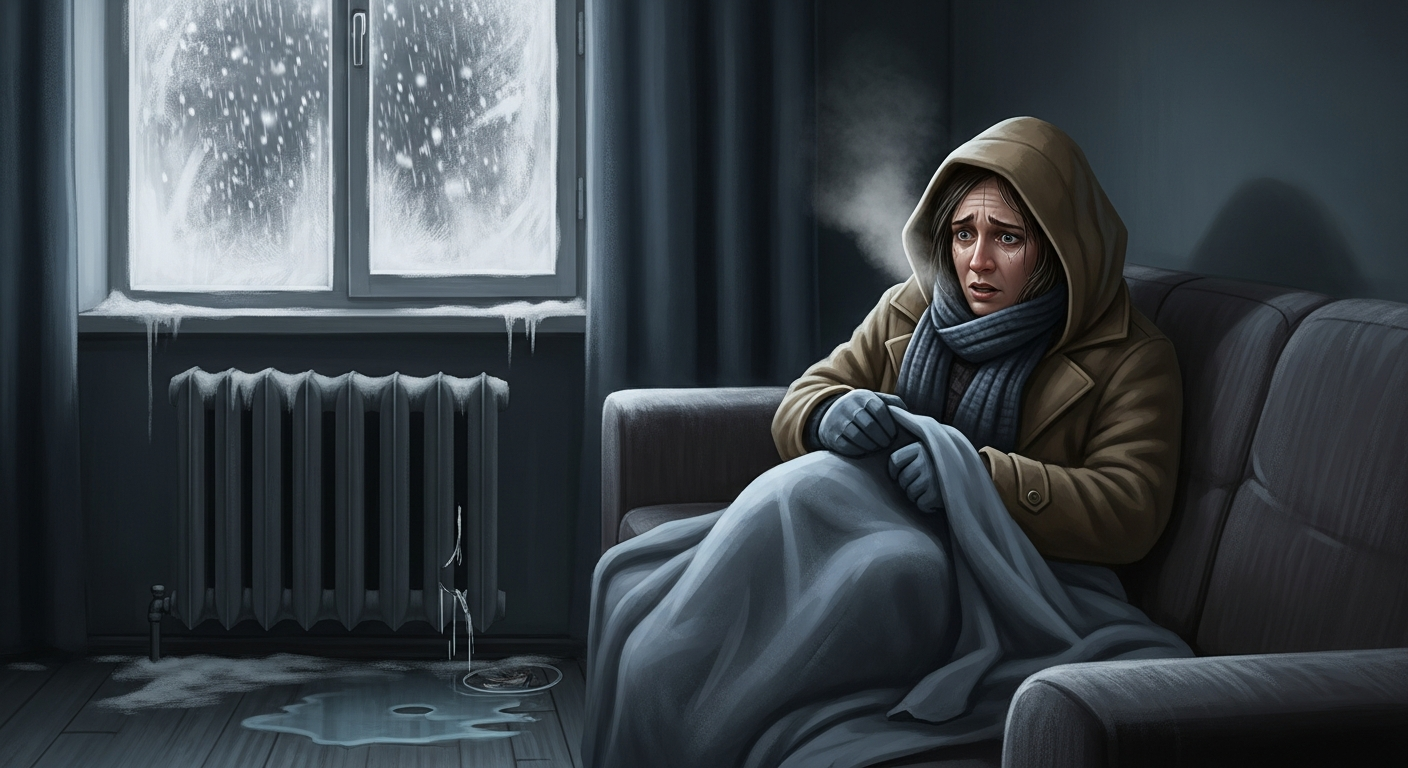
In a city where winter temperatures regularly plunge below freezing, the situation at the Aldrich Avenue apartment building represents not just an isolated incident but a systemic failure in housing regulation enforcement. When Charlie Tirey reports living in an apartment that’s just seven degrees warmer than a refrigerator since October, we’re witnessing nothing short of a humanitarian crisis happening right under the noses of city officials. The fact that BLVD Management has allowed residents to endure these conditions for months while offering a paltry $150 monthly credit demonstrates the profound power imbalance between landlords and tenants in today’s housing market.
This case exposes three critical failures: inadequate emergency response protocols for essential services, insufficient penalties for landlords who violate habitability standards, and the growing infrastructure crisis in aging housing stock that disproportionately affects lower-income renters.
Emergency Response Failures Leave Tenants in the Cold
The timeline in this case is nothing short of shocking. A boiler failure in October led to a replacement order around Thanksgiving, with delivery on December 3rd, and installation still incomplete weeks later. This represents months of tenants living in dangerously cold conditions. The management company’s explanation about inspection delays rings hollow when considering the emergency nature of heating in Minnesota winters.
Compare this to other municipal emergency responses: when water mains break, crews work around the clock. When power outages occur, utility companies mobilize immediately. Yet somehow, when dozens of residents are left without heat in freezing temperatures, the bureaucratic machinery moves at a glacial pace. The Minneapolis regulatory framework clearly lacks teeth when it comes to emergency enforcement.
The Minneapolis Regulatory Services Department reported 2,876 heat-related complaints in 2023 alone, suggesting this isn’t an isolated incident but rather a pattern affecting thousands of residents. The city’s current citation system fails to create sufficient urgency for property owners to address these life-threatening conditions.
The $150 Insult: Financial Compensation That Misses the Mark
BLVD Management’s offer of $150 monthly rent credits demonstrates a fundamental disconnect from the reality tenants face. Consider the actual costs: running space heaters continuously can add hundreds of dollars to electric bills. The average one-bedroom apartment in Minneapolis rents for approximately $1,200-1,500 monthly, making $150 roughly 10% compensation for an uninhabitable living space.
This compensation structure reveals how the economics of rental housing favors property owners even in cases of extreme negligence. In comparable cases, courts have awarded full rent abatement plus damages. For example, in a 2022 case in St. Paul, tenants received full rent reimbursement plus $1,500 in damages each when their building lacked adequate heat for six weeks.
The standard established in Minnesota law requires temperatures of at least 68 degrees between October and April. At 47 degrees, these apartments aren’t merely uncomfortable – they present genuine health hazards, particularly to elderly residents or those with certain medical conditions. The compensation should reflect not just the inconvenience but the genuine danger and discomfort imposed on residents.
The Aging Infrastructure Crisis Hiding in Plain Sight
Perhaps most concerning is attorney Myah Grimm’s prediction that