
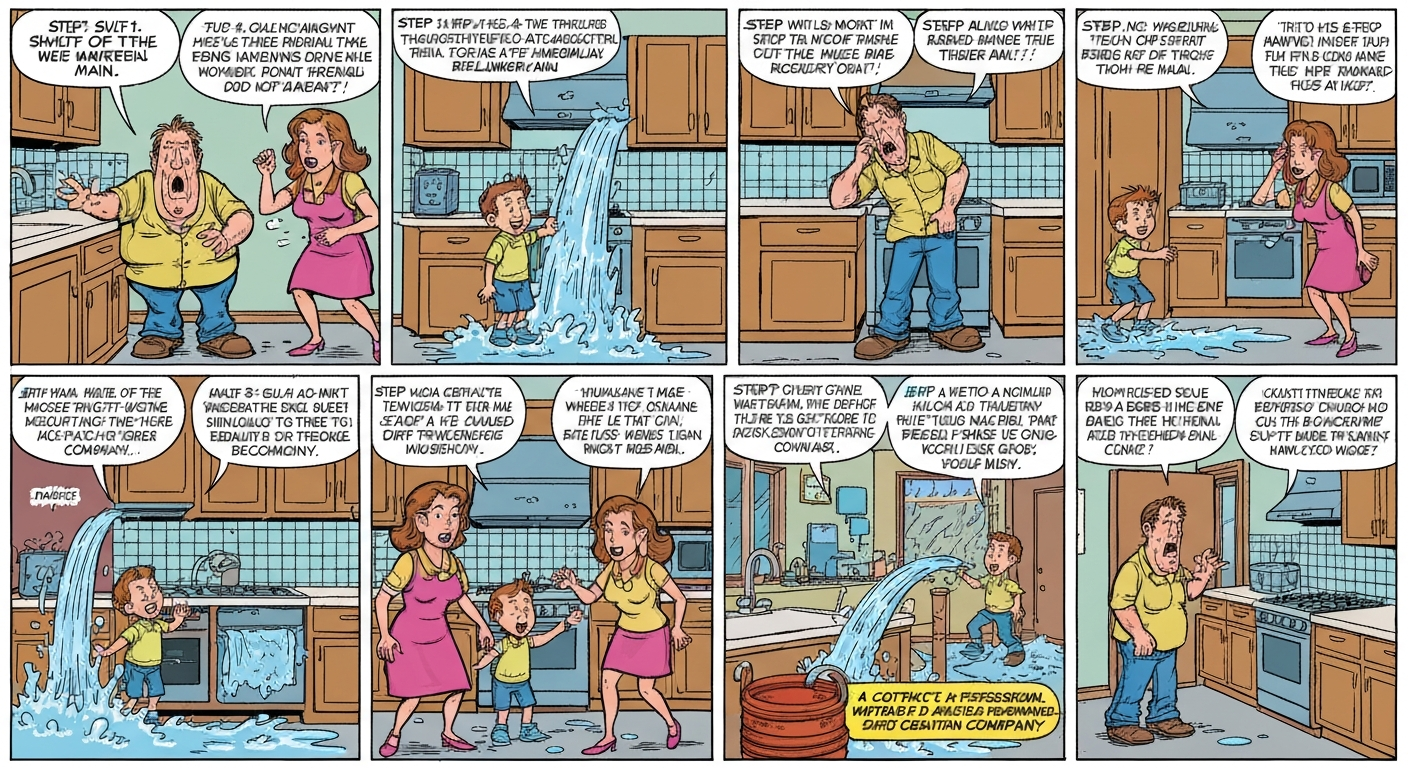
The 5-Step Water Damage Recovery Plan Every Home Needs
When water finds its way into your home uninvited, it can turn your world upside down. Whether it’s from a burst pipe, a leaky roof, or a natural disaster, water damage is not just an inconvenience; it can compromise the structural integrity of your abode and lead to significant financial burdens. Fortunately, having a well-structured recovery plan can mitigate these risks and help you restore your home to its former glory.
Here’s a comprehensive five-step water damage recovery plan every homeowner should have in place:
Step 1: Ensure Safety First
In any emergency, safety comes first. Water and electricity are a dangerous combination, so the first step is to ensure that the main power supply is turned off. If the water damage is substantial, evacuate the premises and call emergency services if necessary. Always prioritize the safety of your family and pets before attempting any recovery tasks.
Step 2: Identify and Stop the Water Source
Once safety is secured, the next critical step is to identify the source of the water intrusion. Whether it’s a plumbing issue or external flooding, stopping the water source is vital to prevent further damage. Sometimes this might require professional help, so don’t hesitate to call a plumber or your local water authority for assistance.
Step 3: Assess and Document the Damage
Before you start any cleanup, document the extent of the damage for insurance purposes. Take photographs and videos of all affected areas, including furniture, personal belongings, and structural components. This documentation will be crucial when filing an insurance claim and can help ensure you receive the appropriate compensation.
Step 4: Begin the Drying Process
To prevent mold growth and further deterioration, it’s essential to dry the affected areas as quickly as possible. Use fans, dehumidifiers, and ventilate the space by opening windows if weather permits. In severe cases, you may need to remove wet insulation, carpets, and flooring materials to expedite the drying process.
Step 5: Clean and Restore
With the area dry, the next step is cleaning and restoration. This involves disinfecting all surfaces to prevent mold and bacteria. Depending on the severity of the damage, you may need professional restoration services to replace drywall, flooring, or other structural elements. Remember, thorough cleaning and restoration are vital to ensuring a safe and healthy living environment.
Water damage can be an overwhelming experience, but with a clear plan in place, you can navigate the recovery process more effectively. Always prioritize safety, document everything, and don’t hesitate to call professionals when needed.
Take Action Now: Ensure you are prepared for any water-related emergencies by creating your own recovery plan today. Share this article with friends and family to help them safeguard their homes as well.