
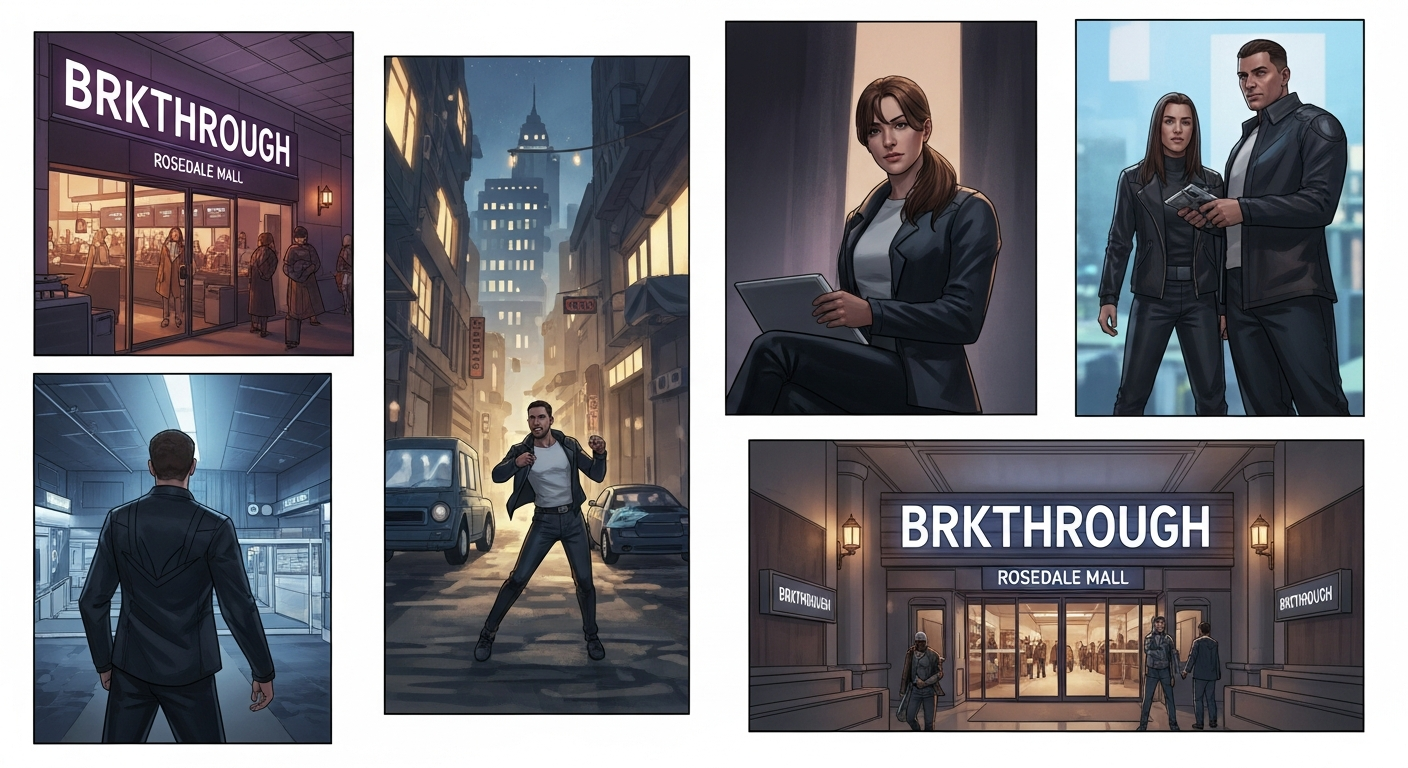
In an era where digital screens dominate our leisure time, BRKTHROUGH’s recent opening at Rosedale Mall represents something more significant than just another entertainment option. This tech-enabled challenge venue signals a pivotal shift in how we’re redefining social experiences in physical spaces. At $29.99 for two hours of immersive challenges, BRKTHROUGH isn’t selling mere distraction—it’s offering something increasingly rare: genuine social connection through shared accomplishment.
The timing couldn’t be more strategic. As Minnesota plunges into its notorious winter months, BRKTHROUGH provides an alternative to the isolation that often accompanies cold weather. But the implications extend far beyond seasonal entertainment.
The Experience Economy Is Evolving Beyond Instagram Moments
BRKTHROUGH represents the next evolution of the experience economy—moving past static, photo-friendly installations toward dynamic, participatory challenges that engage multiple senses and skills. This shift is crucial. The first wave of experiential venues like the Museum of Ice Cream or Color Factory optimized for social media shareability. These installations were designed primarily as backdrops for photos rather than meaningful experiences in themselves.
What makes BRKTHROUGH different is its focus on active participation rather than passive consumption. The 40+ tech-enabled challenge rooms require teams to solve problems, complete physical tasks, and work together—creating memories through shared struggle and achievement rather than just shared aesthetics.
Dave & Buster’s pioneered the adult arcade concept decades ago, but BRKTHROUGH represents a more sophisticated approach. Rather than isolated gaming experiences where interaction happens primarily with machines, BRKTHROUGH forces human-to-human collaboration. The Two Bit Circus in Los Angeles attempted a similar concept but struggled to balance technology with genuine social interaction. BRKTHROUGH appears to have found that balance by making technology the enabler rather than the focus of the experience.
Mall Transformation Reflects Broader Retail Evolution
BRKTHROUGH’s presence in Rosedale Mall is particularly telling. Traditional retail spaces are desperately seeking new anchor tenants as department stores continue their decline. The International Council of Shopping Centers reports that experiential tenants in malls have increased by 44.7% since 2010, while traditional retail has decreased by 19.6%.
Rosedale Mall itself has been at the forefront of this transformation. In 2018, they added Potluck, a food hall featuring local vendors, and now BRKTHROUGH joins as another non-traditional tenant. This isn’t just a stopgap measure—it’s a fundamental reimagining of what brings people to physical spaces in an Amazon-dominated world.
Mall of America has already demonstrated the viability of this approach with attractions like Nickelodeon Universe and SEA LIFE Aquarium driving foot traffic that benefits surrounding retailers. BRKTHROUGH could serve a similar function for Rosedale, creating a destination that draws visitors who then patronize other businesses.
The Price Point Reveals a Calculated Market Position
At $29.99 for two hours and $39.99 for three hours, BRKTHROUGH has positioned itself in an interesting middle market. It’s more expensive than a movie ticket (averaging $10-15 in the Twin Cities) but significantly cheaper than destination experiences like Escapology escape rooms ($34.99 per person for one hour) or TopGolf (easily $50+ per person for a similar time period).
This pricing strategy targets the casual social outing market—friends looking for something more engaging than dinner and a movie but not requiring the commitment of a full-day activity. The price point is particularly attractive for corporate team-building, where companies routinely pay $100+ per employee for similar activities.
What’s particularly shrewd is the tiered pricing model. By offering both 2-hour and 3-hour options, BRKTHROUGH creates an upsell opportunity while still maintaining an accessible entry point. This flexibility addresses different customer segments simultaneously—casual visitors can opt for the shorter experience while enthusiasts or special occasions merit the extended version.
Alternative Viewpoints: Is This Just Another Fad?
Critics might dismiss BRKTHROUGH as just another entertainment fad destined to follow the path of laser tag venues or indoor trampoline parks that boomed briefly before fading. This perspective has merit—novelty-based entertainment concepts often struggle with repeat visitation once the initial excitement wears off.
The challenge for BRKTHROUGH will be maintaining freshness. If the 40+ rooms remain static, even enthusiastic customers will eventually exhaust the challenges. Without regular updates and new content, return visits will decline precipitously after the first year.
Additionally, the emphasis on team-based activities potentially limits the market. Solo visitors or couples might feel the experience isn’t designed for them, restricting BRKTHROUGH’s appeal to larger groups. This contrasts with individual-friendly entertainment options like movies or traditional arcades.
Another legitimate concern is whether the physical and mental challenges will be accessible to people of varying abilities. If the activities skew too athletic or require specific skills, BRKTHROUGH risks alienating potential customers who might feel excluded rather than challenged.
The Future of Social Entertainment Depends on Venues Like BRKTHROUGH
Despite these concerns, BRKTHROUGH represents an important experiment in creating meaningful social spaces. As digital entertainment becomes increasingly isolating, physical venues that foster genuine interaction and shared experiences become more valuable, not less.
The success or failure of BRKTHROUGH will provide valuable insights into how we might design social spaces in the future. If it thrives, expect to see similar concepts expanding rapidly across the country, potentially revitalizing struggling retail centers and creating new social rituals.
For Minnesotans facing months of winter confinement, BRKTHROUGH offers more than just entertainment—it provides a space for maintaining social connections during a season that often forces isolation. This psychological benefit shouldn’t be underestimated in a region where seasonal depression affects approximately 10% of residents.
BRKTHROUGH isn’t just selling fun; it’s selling connection, achievement, and shared experience—commodities that become increasingly precious in our digital age. Whether it succeeds as a business model remains to be seen, but the concept itself points toward our fundamental need for meaningful social interaction, even—or especially—when that interaction is mediated by technology.