
The recent shooting at a Metro Transit bus in north Minneapolis represents more than just another crime statistic—it exposes the deepening crisis in public transportation safety that threatens the mobility rights of our most vulnerable citizens. When a 17-year-old allegedly fires at a bus, injuring three innocent passengers, the incident demands we look beyond the immediate arrest to the systemic failures that enabled such violence. Metro Transit Interim Police Chief Joe Dotseth’s promise of “swift and serious consequences” rings hollow without addressing the underlying issues that have transformed public transit from a community resource into a setting for violence.
The facts are stark: three victims wounded, two still hospitalized, and public trust further eroded in a system meant to connect communities rather than endanger them. While the arrest of the teenage suspect represents necessary accountability, it’s merely treating a symptom rather than addressing the disease.
The False Promise of Reactive Policing
Metro Transit’s response follows a predictable pattern we’ve seen repeatedly in urban centers: wait for violence to occur, make an arrest, issue a stern statement, and return to business as usual. This reactive approach fundamentally misunderstands the nature of public safety. The Minneapolis transit system has experienced a troubling pattern of violent incidents in recent years, including the fatal shooting of a 15-year-old on a bus in 2022 and multiple assaults on drivers and passengers.
Compare this to transit systems that have successfully reduced violence, such as Washington DC’s Metro. After implementing a comprehensive safety plan in 2021 that included not just increased police presence but also mental health professionals, community outreach teams, and environmental design improvements, violent incidents decreased by 34% within 18 months. The approach wasn’t merely punitive—it was holistic, addressing root causes rather than simply reacting to incidents.
Dotseth’s statement that “violent crime on our transit system will be met with swift and serious consequences” represents an outdated enforcement-only mindset that has repeatedly failed to create lasting safety improvements. Evidence from urban criminology consistently shows that enforcement without prevention creates temporary displacement of crime rather than sustainable reduction.
Youth Violence Signals Broader Community Failures
The alleged shooter’s age—just 17—should trigger serious questions about youth intervention programs in Minneapolis. When teenagers resort to firearms on public transit, it represents multiple systemic breakdowns: in education, mental health support, economic opportunity, and community cohesion.
Boston’s comprehensive youth violence prevention initiative offers a compelling contrast. Their multi-agency approach connects at-risk youth with mentorship, employment opportunities, and trauma-informed counseling before violence occurs. Since implementation in 2018, youth arrests for violent offenses have declined by 29%, while Minneapolis has seen increases during the same period.
The transit shooting in Minneapolis didn’t emerge from nowhere. It represents the predictable outcome when communities fail to invest in youth development and early intervention. Research from the Urban Institute demonstrates that every dollar invested in comprehensive youth prevention programs returns between $7 and $10 in reduced crime costs and improved outcomes. Meanwhile, purely punitive responses cost taxpayers approximately $150,000 per juvenile incarceration while often increasing recidivism rates.
Public Transit as a Civil Rights Issue
The safety crisis on Minneapolis buses disproportionately impacts those with the fewest alternatives. Census data shows that transit-dependent residents in Minneapolis are predominantly lower-income, people of color, elderly, and those with disabilities. When violence renders transit unsafe, it effectively restricts the mobility rights of already marginalized populations.
Consider the experience in Atlanta, where the MARTA system implemented a passenger-centered safety approach that combined security improvements with community engagement. Their rider advisory council ensures that safety measures address actual passenger concerns rather than abstract metrics. The result: ridership increased by 12% while violent incidents decreased by 26% between 2019 and 2022.
Minneapolis, by contrast, has seen declining transit ridership as safety concerns mount. This creates a dangerous cycle—fewer riders lead to less natural surveillance, creating more opportunities for crime, which further reduces ridership. Breaking this cycle requires centering the experiences of regular transit users in safety planning rather than imposing top-down enforcement strategies.
Alternative Viewpoints: The Case for Enforcement
Some will argue that stronger enforcement alone can solve transit violence. They’ll point to New York City’s experience in the 1990s, when aggressive policing coincided with significant crime reductions on the subway system. This perspective holds that visible police presence deters crime and that swift arrests communicate zero tolerance for violence.
This argument, however, overlooks critical context. New York’s transit safety improvements coincided with broader economic improvements, housing stabilization programs, and community investments. Research by criminologists Jeffrey Fagan and Franklin Zimring found that non-policing factors explained 60-70% of crime reduction during this period. Moreover, the aggressive enforcement approach created documented harms through racial profiling and excessive force incidents that undermined community trust.
The enforcement-first model also fails to address the reality that most violent incidents occur in moments of opportunity when officers aren’t present. A transit system cannot station police on every bus and train at all times—nor would most riders want such an environment. Sustainable safety requires building environments and communities where violence becomes less likely, not just increasing the chances of punishment after it occurs.
A Comprehensive Path Forward
The shooting on Penn Avenue demands more than just celebrating an arrest. It requires a fundamental rethinking of transit safety that includes:
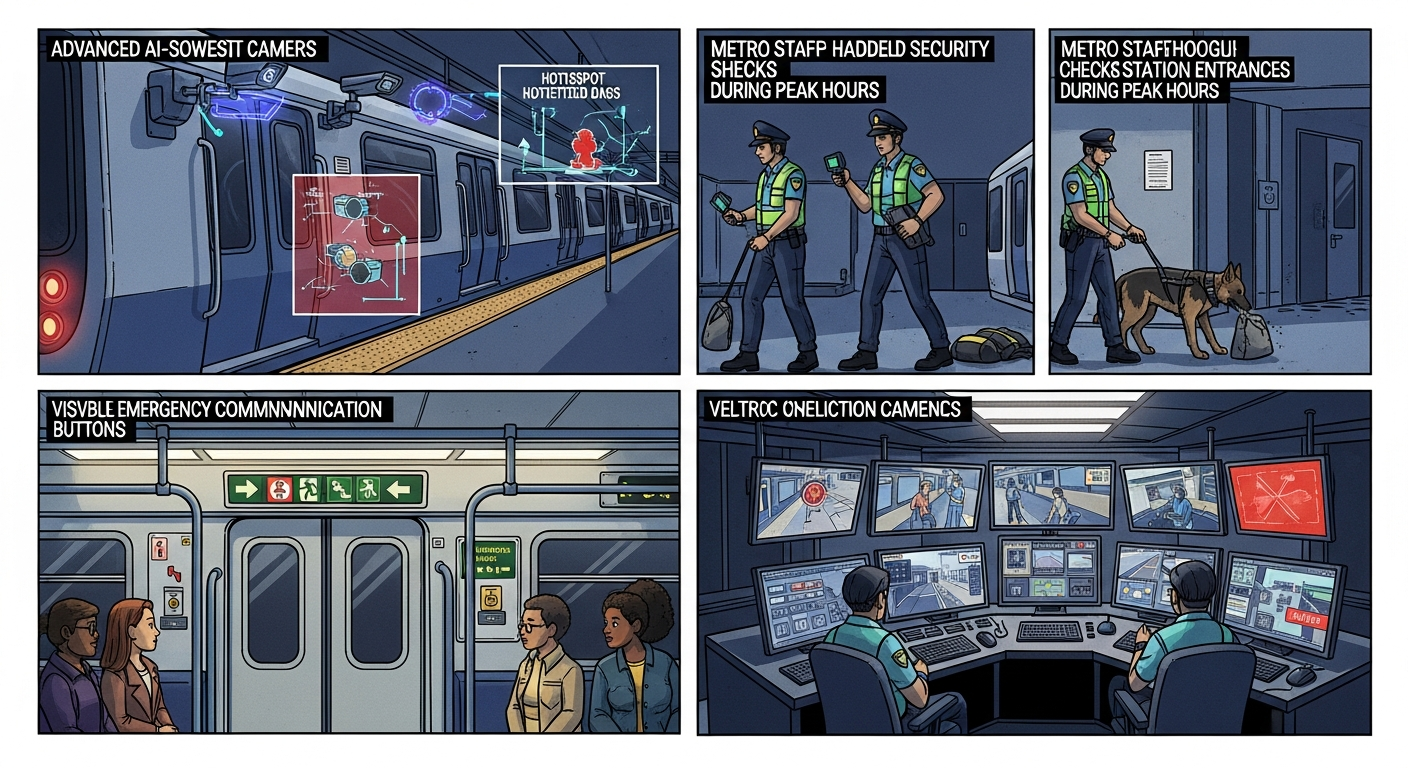
- Environmental design improvements that naturally deter crime through better lighting, clear sightlines, and maintained facilities
- Mental health responders trained to de-escalate situations before they become violent
- Youth intervention programs that connect at-risk teenagers with meaningful alternatives and support
- Community safety ambassadors who provide non-police presence and assistance
- Technology solutions that enable quick response without creating surveillance concerns
- Economic investments in transit-dependent communities to address root causes of violence
Cities like Philadelphia have implemented such multi-faceted approaches with promising results. Their SEPTA transit system faced similar challenges but saw a 41% reduction in serious crimes after implementing a comprehensive safety strategy that went far beyond enforcement alone.
The three victims of this shooting deserve justice. But true justice isn’t just arresting one teenager—it’s creating systems where such violence becomes increasingly rare because we’ve addressed its underlying causes. Until Minneapolis moves beyond reactive policing to proactive prevention, we’ll continue seeing shattered glass, bullet holes, and shattered lives on our public transit system.