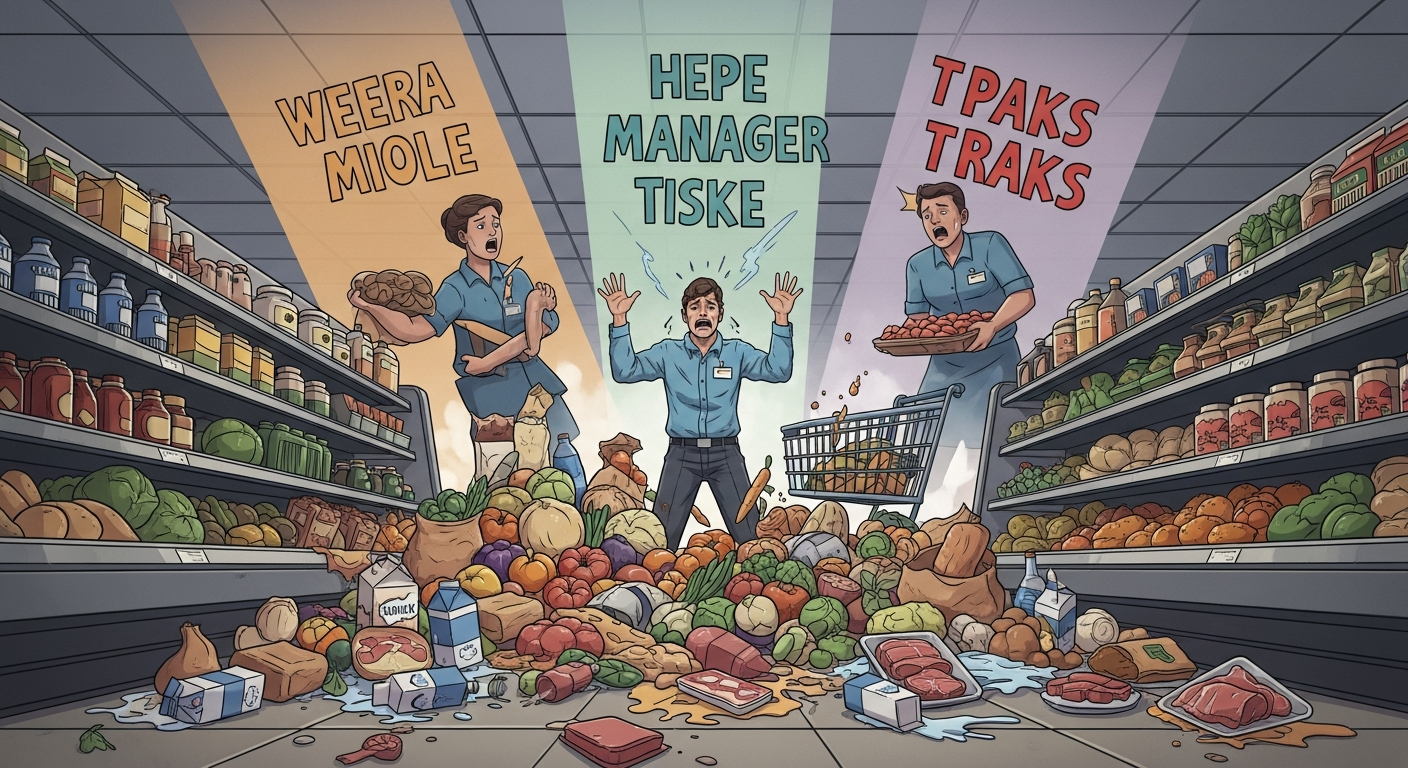
The recent recall of hundreds of products distributed by Gold Star Distribution in Minneapolis should alarm every consumer in Minnesota and beyond. This isn’t just another routine product recall—it reveals critical weaknesses in our food safety infrastructure that put public health at serious risk. When a distributor operates with rodent urine and bird droppings contaminating food products sold across dozens of stores, we’re witnessing a systemic failure, not an isolated incident.
What’s particularly troubling is that these contaminated products were discovered through routine inspection rather than after consumers fell ill. While we should be grateful no illnesses have been reported yet, this reactive approach to food safety demonstrates how our system waits for problems to become severe enough to notice rather than preventing them from occurring in the first place.
Our Food Safety System Remains Dangerously Reactive, Not Preventive
The Gold Star recall highlights a persistent problem in American food safety: we rely too heavily on catching problems after they’ve already developed rather than preventing contamination from the start. Consider that the FDA found these violations during an inspection—not through proactive monitoring systems that could have detected the unsanitary conditions earlier.
This reactive approach has real consequences. According to CDC estimates, foodborne diseases cause approximately 48 million illnesses, 128,000 hospitalizations, and 3,000 deaths annually in the United States. Many of these cases stem from preventable contamination similar to what occurred at Gold Star.
The Food Safety Modernization Act (FSMA) of 2011 was specifically designed to shift our approach from reaction to prevention. Yet a decade later, we continue to see facilities operating with rodent infestations and bird contamination—basic sanitary issues that should never reach the point of requiring massive product recalls.
The Chipotle E. coli outbreaks of 2015-2016 offer a parallel example. Despite being a major national chain with resources for quality control, preventable contamination sickened more than 55 people across 11 states. The company’s stock dropped 42%, and they were forced to completely overhaul their food safety systems—but only after consumers had already been harmed.
Small Distributors Face Inadequate Oversight and Resources
Gold Star Distribution is not a massive corporation with teams of food safety specialists. Like thousands of small and medium-sized food distributors across the country, they operate with limited resources and potentially insufficient training on modern food safety protocols.
The FDA is chronically understaffed for the enormous responsibility of monitoring America’s food supply. In 2019, the Office of Inspector General found that the FDA conducted only about 50% of the domestic food facility inspections it was supposed to complete. With such limited oversight, it’s no wonder that conditions can deteriorate to the point of rodent and bird infestations before being discovered.
Compare this to Denmark’s approach, where all food businesses must register with the Danish Veterinary and Food Administration and receive regular, unannounced inspections. Their